

All-New NIO ES8 Upgrade: Six Seats or Seven? Is the Range Enough?
On August 21, NIO officially opened pre-sales for the third-generation NIO ES8, a premium mid-to-large electric SUV. With its extended wheelbase of 3130 mm, the ES8 now comes in both six-seat and seven-seat configurations. Pricing starts at ¥416,800 (approx. $57,000), and the model is expected to officially launch during NIO Day in late September.

What Exactly Are “Automotive-Grade Chips”?
In the field of new energy vehicles (NEVs), especially in autonomous driving systems, automotive-grade chips play a crucial role. The reliability and safety of these chips directly determine the stability of the entire vehicle system. It is important to note that “automotive-grade” is not just a marketing buzzword. To qualify, a chip must undergo rigorous certifications across multiple dimensions, including device reliability, functional safety, and quality management.

Tesla Model Y L Launch: Bigger Size, 6-Seat Layout & Upgraded Features
Tesla, the world-renowned new energy vehicle brand, has once again sparked excitement with the official debut of the Tesla Model Y L. Compared with the existing 5-seat version, the Model Y L has grown in size, starts at ¥339,000 RMB, and is expected to begin deliveries in September.

Dual-Motor Drive Technology Explained
For electric vehicles (EVs), dual-motor systems offer a range of clear advantages over single-motor setups paired with a main reducer or gearbox, especially in terms of improving drive efficiency and performance. By utilizing two motors—typically one on each axle—EVs can distribute power more intelligently, operate each motor in its optimal efficiency range, and adapt seamlessly to varying driving conditions.Let’s break down why.

Tesla FSD Exploration: How This “Four-Wheeled Robot” Learned to Drive
With the recent launch of the 2025 Tesla Model 3 in China, FSD is once again in the spotlight. But what’s the “magic” behind it? Let’s break down how Tesla turned a car into a “thinking driver.”

How Does Hot-in-Demand Automotive Assisted Driving Actually “Drive for You”?
In the era of new energy vehicles, Chinese automakers have found a winning strategy to boost product appeal and sales — empowering vehicles with intelligent technology. Among these innovations, assisted driving has been one of the hottest and most talked-about features in recent years.Understanding how assisted driving works is not only useful for mastering the system’s functions, but also for making an informed decision when choosing your favorite Chinese NEV.
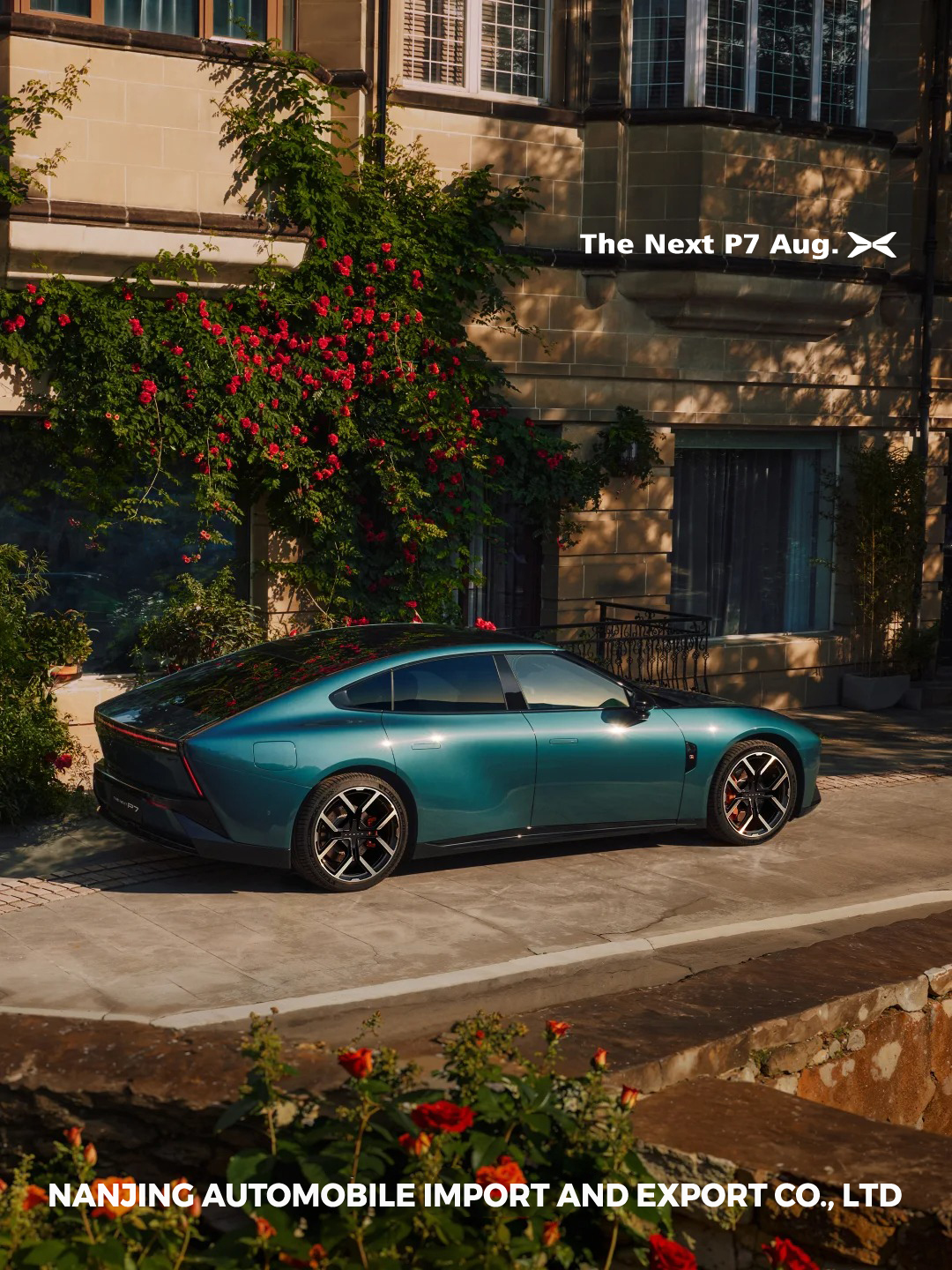
All-New XPeng P7 Makes Debut and Starts Pre-Sale: Packed with Smarts, Range, and Style
On August 6, XPeng officially unveiled the all-new XPeng P7 and opened pre-orders.As a next-generation model, the new P7 brings a sharper exterior, smarter human-machine interface, and fully upgraded performance. So what exactly is new? And in a hyper-competitive EV market, can this model become a breakthrough hit for the XPeng brand in both sales and recognition? Let’s dive in.
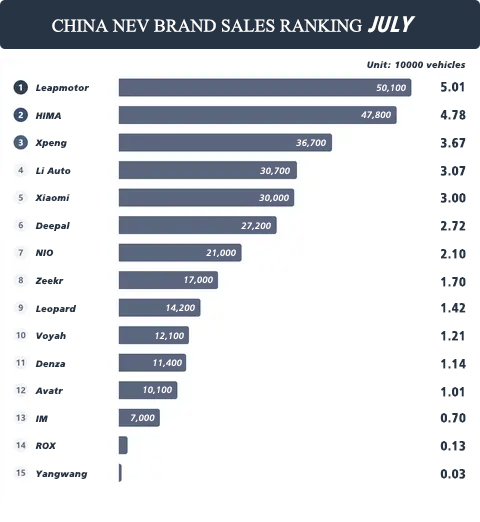
China NEV Brand Sales Ranking July
The scorching summer continues, and so does the fierce competition among Chinese NEV startups. The July sales ranking for China’s new car-making forces is officially out. While the data reflects domestic market performance during the traditional sales off-season, it still provides valuable insight. Notably, Leapmotor, Huawei’s Harmony Intelligent Mobility (HarmonyOS Vehicles), and XPeng maintained their momentum, setting new monthly records.
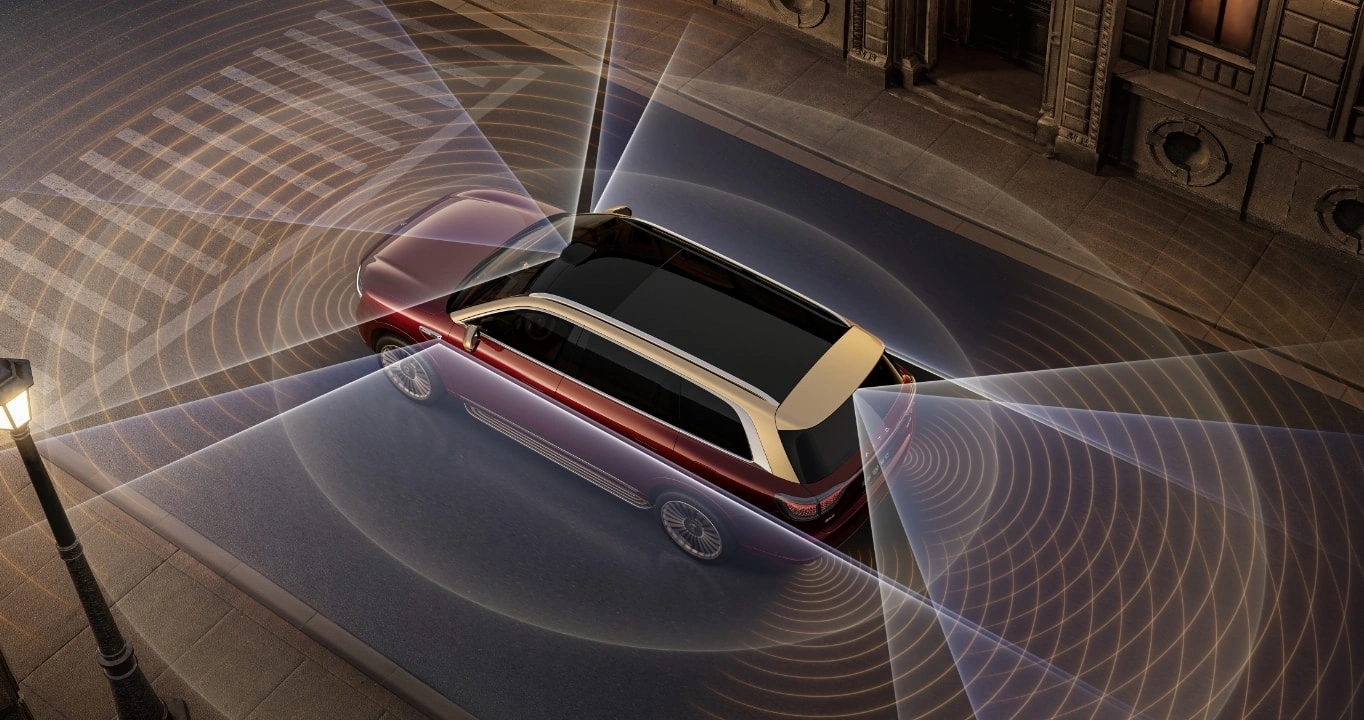
Laser Radar: Giving New Energy Vehicles a Pair of “X-Ray Eyes”
As global competition intensifies in the export market for new energy vehicles (NEVs), intelligent driving features have become a key differentiator. Vehicles equipped with LiDAR (Light Detection and Ranging) stand out in safety, technological appeal, and customer trust. In this article, we’ll explore the core principles of LiDAR, its vital role in AEB systems and assisted driving, along with its advantages, limitations, and future trends.
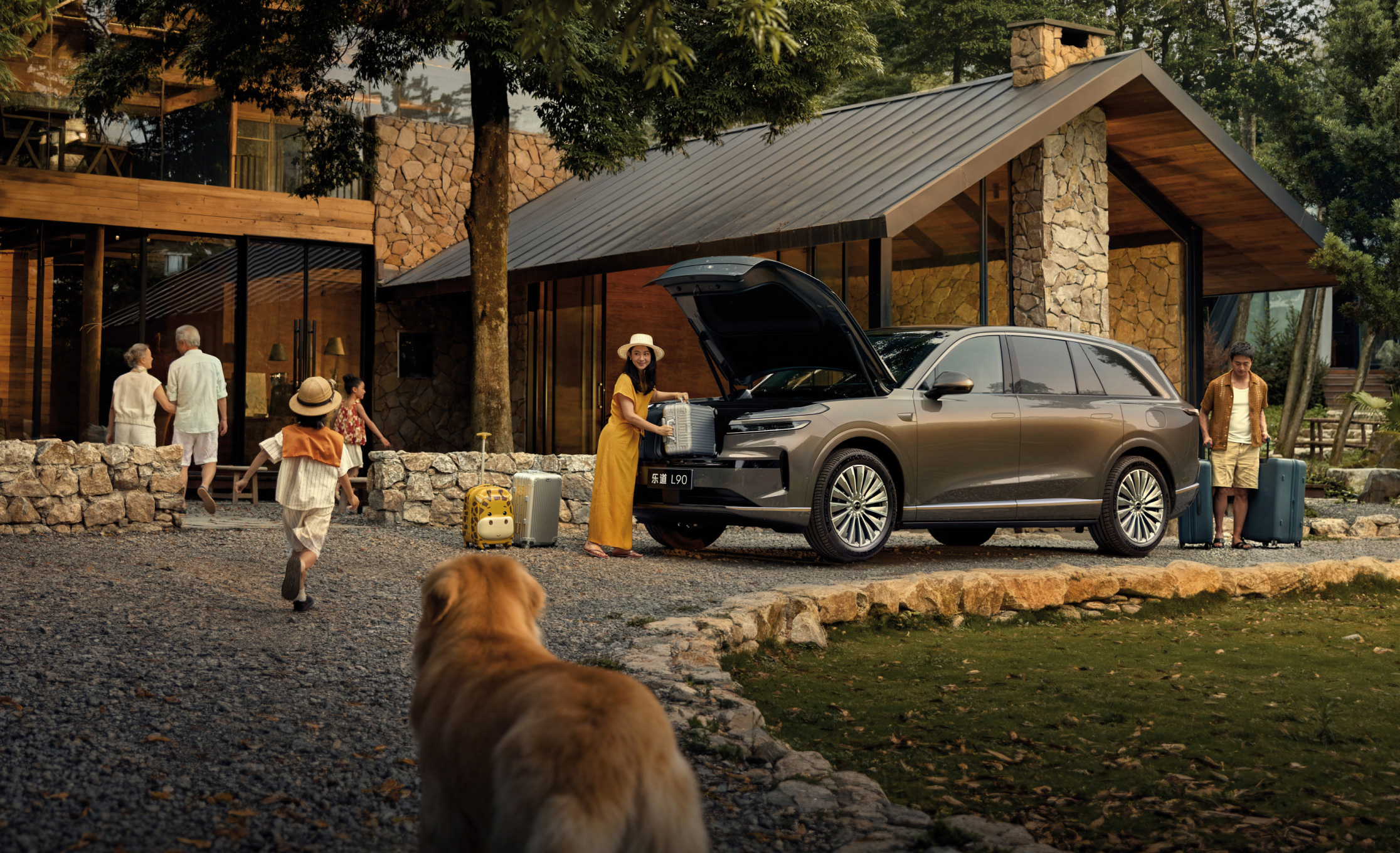
NIO’s Comeback Move? New Launch: NIO Sub-brand ONVO L90 Hits the Market
On July 31, NIO’s sub-brand ONVO officially launched its new flagship SUV — the ONVO L90. Positioned as a smart, spacious family car, the L90 comes in both six-seat and seven-seat versions. The six-seat version starts at RMB 179,800 and began delivery on August 1. The seven-seat version, priced from RMB 185,800, is expected to start deliveries in late September. Each version will be available in Pro, Max, and Ultra trims.