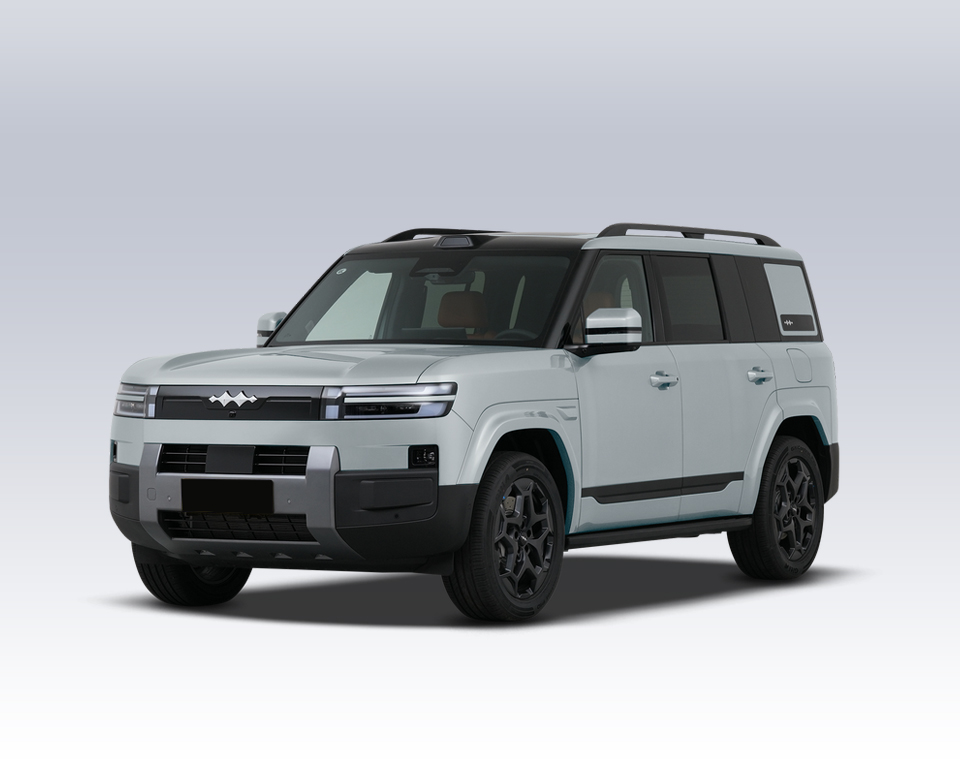
What China’s 2026 Auto Export Policy Means for Global Importers
The global automotive trade is entering a new phase. Over the past several years, Chinese vehicle exports—particularly new energy vehicles (NEVs)—have expanded rapidly across international markets, driven by strong cost advantages and advanced EV technologies.
However, beginning January 1, 2026, China will officially tighten its auto export framework. The long-standing era of loosely regulated parallel exports is coming to an end.
China’s Ministry of Commerce is introducing a more standardized export system with a strong focus on quality control, after-sales responsibility, and manufacturer authorization. For overseas car dealers and importers sourcing vehicles from China, this policy shift is more than industry news—it is a clear signal to reassess supplier compliance and long-term sourcing strategies.
Below is a comprehensive overview of the new policy and what it means for your business.

Key Update: The “180-Day Registration” Rule
The core of the new regulation lies in a clearer distinction between new vehicles and used vehicles.
In recent years, a large number of “Zero-Kilometer” vehicles—brand-new cars that have never been driven—were exported under used car licenses. This practice allowed exporters to bypass official manufacturer distribution systems.
Under the new rule:
Any vehicle registered for fewer than 180 days must obtain explicit manufacturer authorization or provide a “Certificate of After-Sales Service Support” in order to be cleared for export.
In practical terms, if a supplier purchases a new BYD, Zeekr, or similar NEV, registers it briefly, and attempts to export it without factory approval, the vehicle will no longer pass Chinese customs inspection.
Why Is China Implementing This Policy?
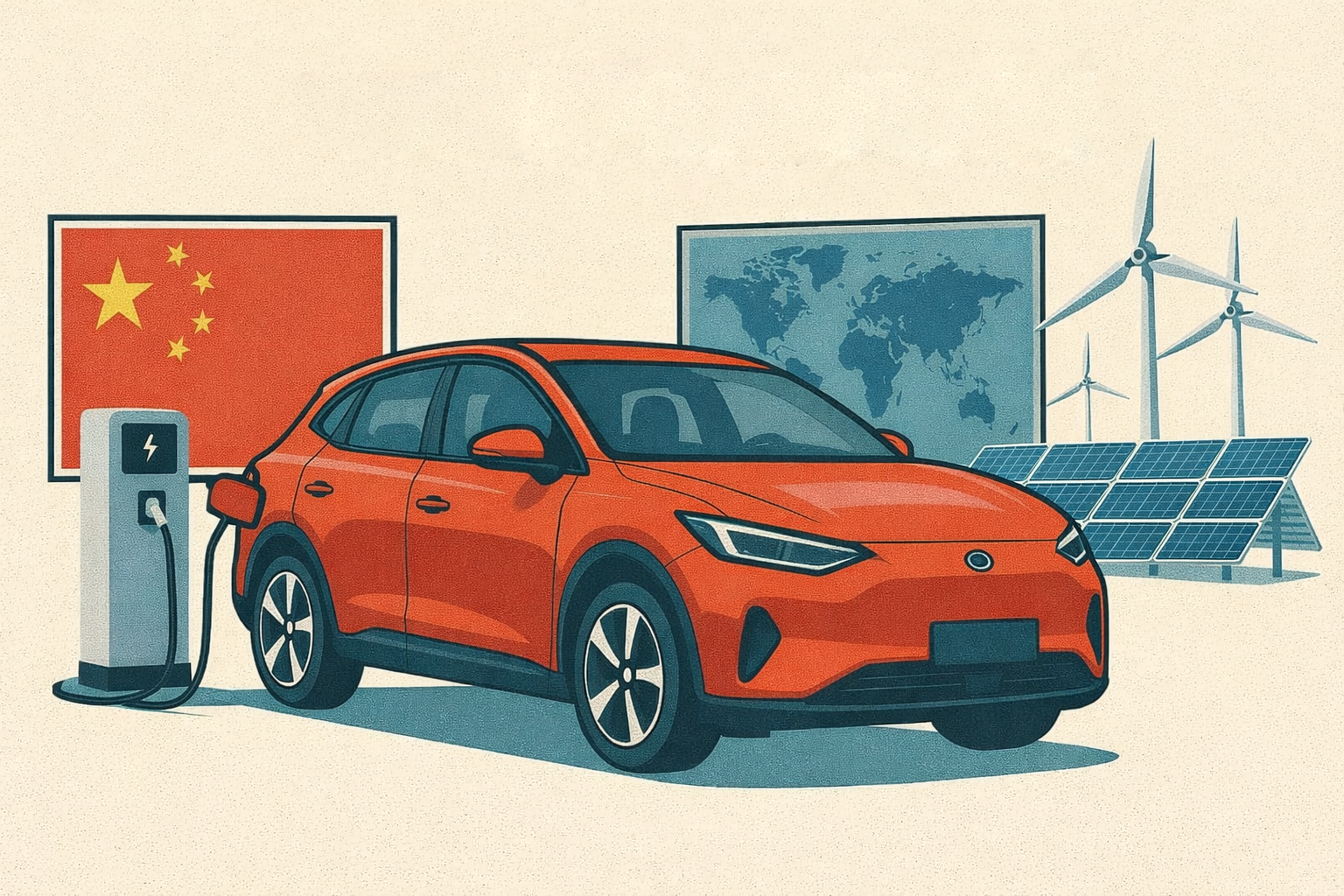
This regulation is not a restriction on exports—it is a sign of industry maturity. The Chinese government aims to achieve several long-term objectives:
Protect Global Brand Reputation
Ensure overseas buyers receive proper warranty coverage, after-sales service, and technical support—not just the vehicle itself.Eliminate Gray Market Disorder
Reduce unauthorized trading that disrupts pricing structures and leaves end customers without service guarantees.Promote Authorized Export Channels
Encourage cooperation with compliant exporters that maintain direct relationships with OEMs and meet regulatory standards.
How the Policy Impacts Global Importers
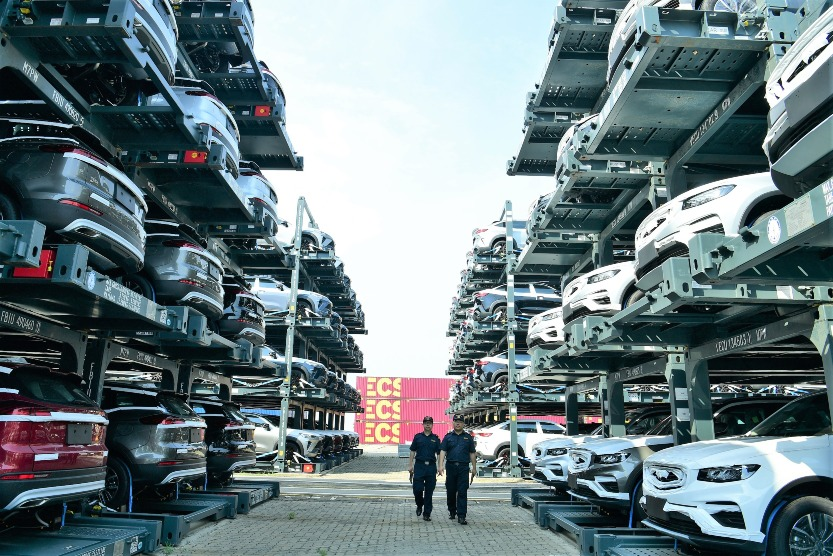
Although the policy introduces stricter requirements, it ultimately benefits professional and long-term B2B buyers.
1. Greater Price Stability
The aggressive price undercutting caused by unregulated traders will gradually disappear. As a result, market prices will become more stable, helping protect dealer margins and inventory value.
2. Improved Supply Chain Security
Sourcing from non-compliant suppliers carries risks such as customs seizures, shipment delays, or sudden order cancellations. Under the new framework, compliant exporters provide a more predictable and secure supply flow.
3. Higher Quality and Compliance Standards
Stricter inspections and documentation requirements mean imported vehicles will meet higher standards in terms of condition, certification, and after-sales readiness—reducing downstream risks for importers.

Frequently Asked Questions (FAQ)
Q: When does China’s new auto export policy take effect?
A: The updated regulations, including the 180-day registration requirement and manufacturer authorization rules, will be officially enforced starting January 1, 2026.
Q: Can “Zero-Kilometer” used cars still be exported after 2026?
A: Only under specific conditions. Vehicles registered for fewer than 180 days can no longer be exported as used cars without a manufacturer-issued after-sales service confirmation. This effectively ends unauthorized parallel exports of brand-new vehicles.
Q: Will this policy increase the price of Chinese EVs?
A: In the short term, prices may stabilize rather than increase. While extremely low “dumping prices” will disappear, the market will become more transparent and sustainable, protecting long-term inventory value.
Q: Does this policy apply to all vehicle brands?
A: The regulation applies broadly to passenger vehicle exports, but enforcement is especially strict for high-demand NEV brands such as BYD, Zeekr, Li Auto, and others that have been heavily involved in parallel export channels.
Please explore our blog for the latest news and offers from the EV market.