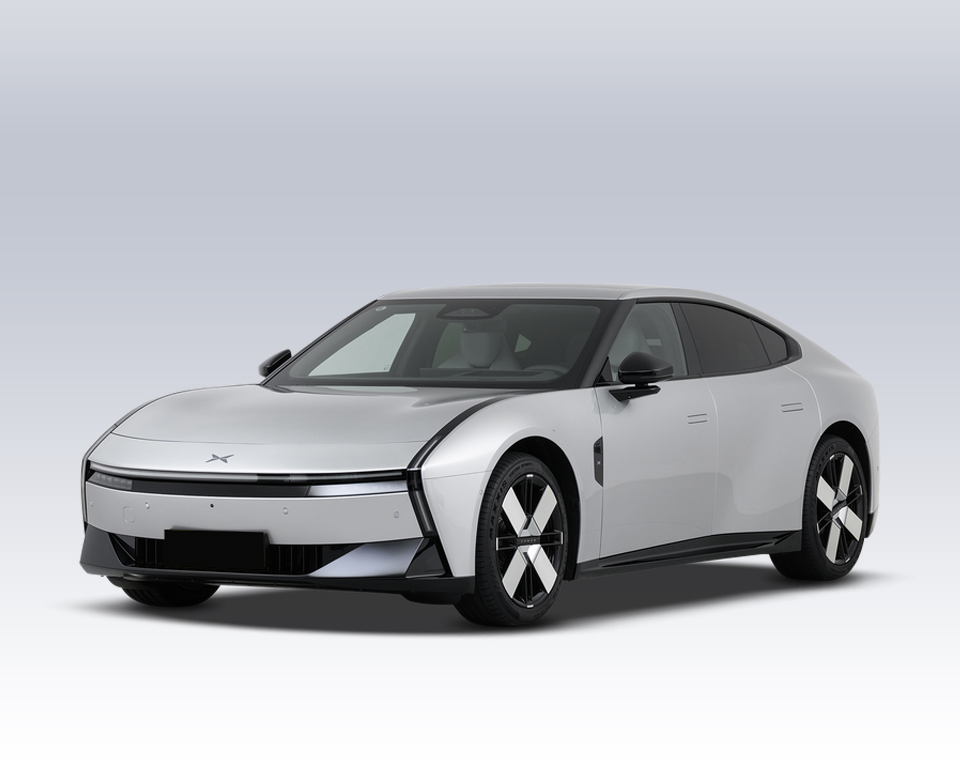
The High-Speed Secret of Electric Vehicles : The Technological Magic of Electric Power
As new energy electric vehicles (EVs) enter households around the world, they stand out from traditional fuel-powered cars thanks to their clean energy, low noise, and simplified maintenance. Among these advantages, one of the most fascinating is their “speed secret”—the core technologies that enable impressive acceleration and high-speed performance.
In this article, we’ll take a deep dive into the high-speed secrets of electric vehicles, uncovering the technological magic behind electric drivetrains and explaining why EVs can deliver such astonishing acceleration and top-end performance.
Catalog

🔋 1. The Power Source of EVs: A Perfect Match Between Battery and Motor
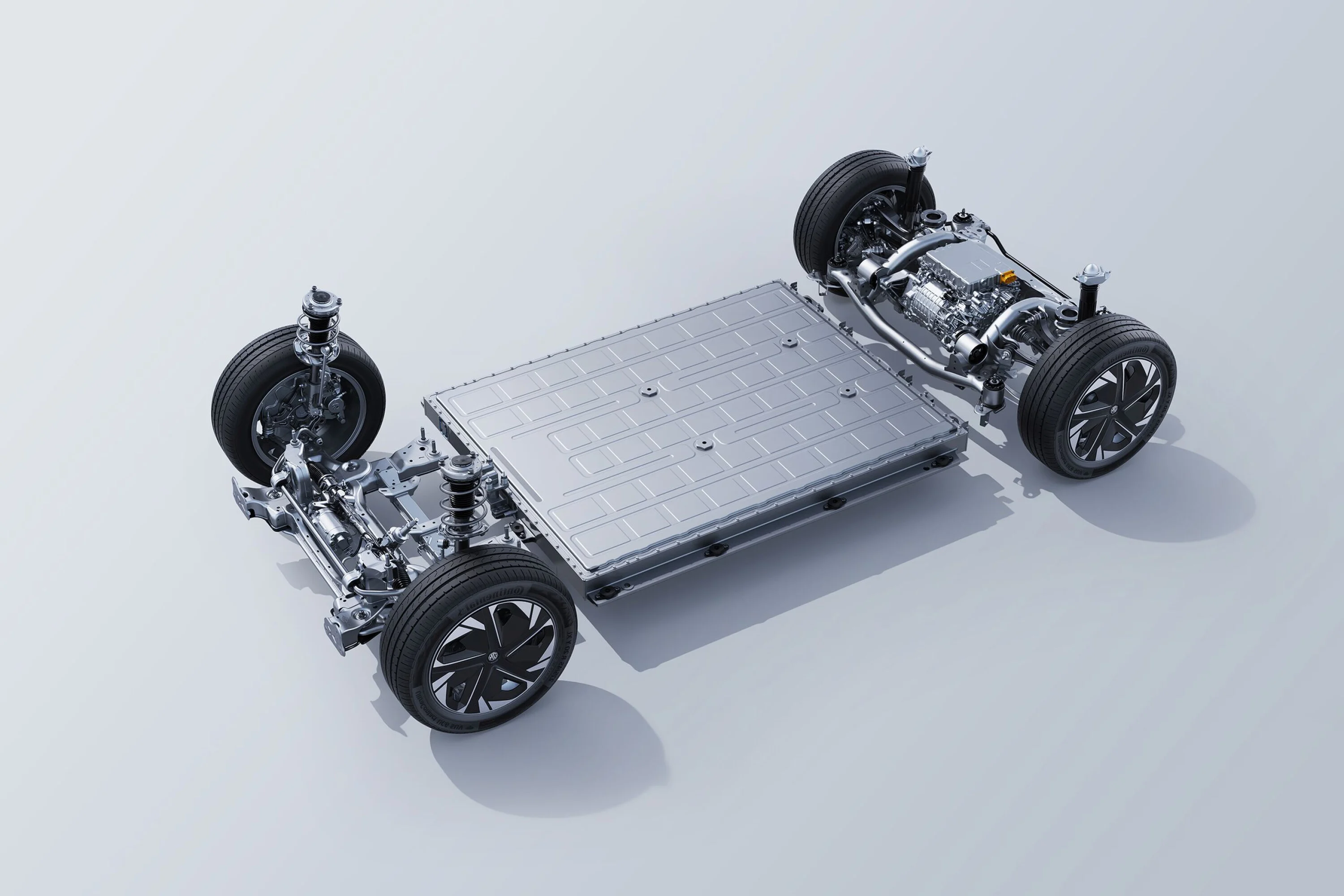
The heart of an electric vehicle lies in the close collaboration between its battery and electric motor. The battery acts as an energy storage unit, providing a steady supply of electrical power, while the motor converts that electrical energy into mechanical motion to drive the vehicle.
Unlike traditional internal combustion engines that rely on fuel combustion, EVs generate power through electromagnetic principles. Their speed and performance are directly influenced by battery capacity, motor performance, and the precision of the control system.
Modern EVs widely use lithium-ion batteries due to their high energy density, long lifespan, and fast charging and discharging capabilities. High-capacity battery packs not only support long driving ranges but can also deliver large currents in a short time, meeting the demands of rapid acceleration. Meanwhile, motors such as Permanent Magnet Synchronous Motors (PMSM) and Induction Motors (IM) offer high efficiency and high torque density, forming a powerful foundation for EV performance.
❤️ 2. Motor Technology: The “Heart” of High-Speed Performance
One of the key secrets behind EV speed lies in continuous breakthroughs in motor technology. Permanent Magnet Synchronous Motors (PMSM), known for their exceptional efficiency and torque density, have become the preferred choice for high-performance electric vehicles.
Their main advantage comes from powerful permanent magnets—often made from rare-earth materials like neodymium-iron-boron—which generate strong magnetic fields. This allows motors to achieve high rotational speeds and strong torque within a compact size.
To enable high-speed driving, EV motors must support extremely high RPMs. Advanced designs use multi-pole structures and optimized winding layouts to push speed limits. Some EV motors can reach tens of thousands of revolutions per minute (RPM), ensuring stable power delivery even at high speeds. When paired with high-performance inverters, current frequency can be precisely controlled, resulting in smooth yet powerful acceleration.
Cooling is another critical factor. High-speed operation generates significant heat, which can degrade performance or cause damage if not properly managed. Many EVs use liquid cooling systems to regulate the temperature of motors and inverters, ensuring stability, efficiency, and safety during sustained high-speed driving.
🎛️ 3. Control Systems: The True Master of Technological Magic
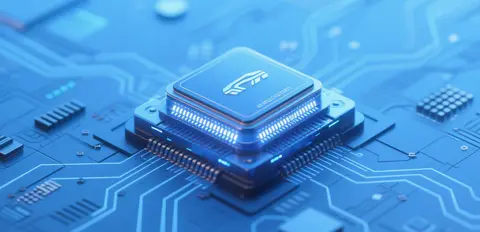
High-speed performance in electric vehicles is not just about hardware—it heavily depends on advanced control systems. The motor controller, or inverter, converts direct current (DC) from the battery into alternating current (AC), precisely controlling motor speed, torque, and direction.
Through accurate voltage and current regulation, EV control systems deliver near-instant response, producing the strong and seamless acceleration EVs are famous for.
Modern EVs rely on digital control technologies that integrate sensors, microprocessors, and intelligent algorithms. Sensors continuously monitor vehicle speed, accelerator input, steering angle, and more. The controller then adjusts output parameters in real time to ensure smooth, efficient power delivery.
Advanced algorithms also optimize regenerative braking systems, converting kinetic energy back into electrical energy during deceleration or braking. This recovered energy is stored in the battery, extending driving range and providing stronger energy support for high-speed operation.
🛡️ 4. Battery Management System (BMS): The Guardian of High-Speed Energy
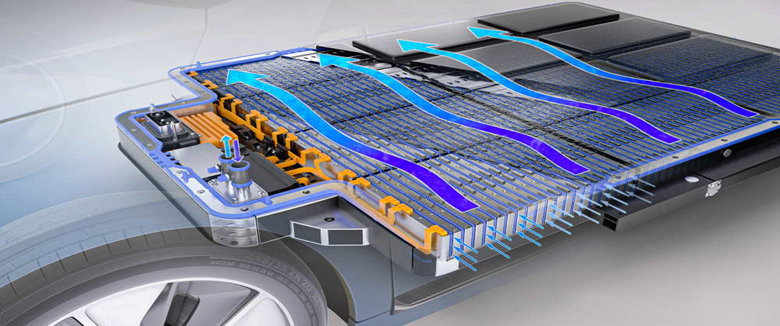
The Battery Management System (BMS) plays a vital role in supporting high-speed EV performance. High-speed driving places extreme demands on the battery, requiring high current output while maintaining safety and longevity.
The BMS continuously monitors voltage, current, temperature, and battery health, ensuring all parameters stay within safe operating limits.
During rapid acceleration, large amounts of energy are released. The BMS intelligently regulates current output to prevent overcharging, over-discharging, or overheating. It can also dynamically adjust charging and discharging strategies to maximize energy efficiency, improving both range and performance.
In some premium EVs, advanced BMS systems adapt energy delivery based on driving modes, enabling faster response and more stable power output during high-speed driving.
🌬️ 5. Aerodynamics and Suspension: External Support for Speed
Beyond the powertrain, high-speed performance is also influenced by aerodynamics and suspension systems. Air resistance is one of the biggest obstacles to high-speed driving. Streamlined body designs and low drag coefficients (Cd values) are essential for maintaining efficiency and stability at speed.
For example, the Tesla Model S features a smooth exterior, minimized front grille area, and a fully covered underbody. These design choices significantly reduce aerodynamic drag, allowing the vehicle to remain stable and efficient even at high speeds.
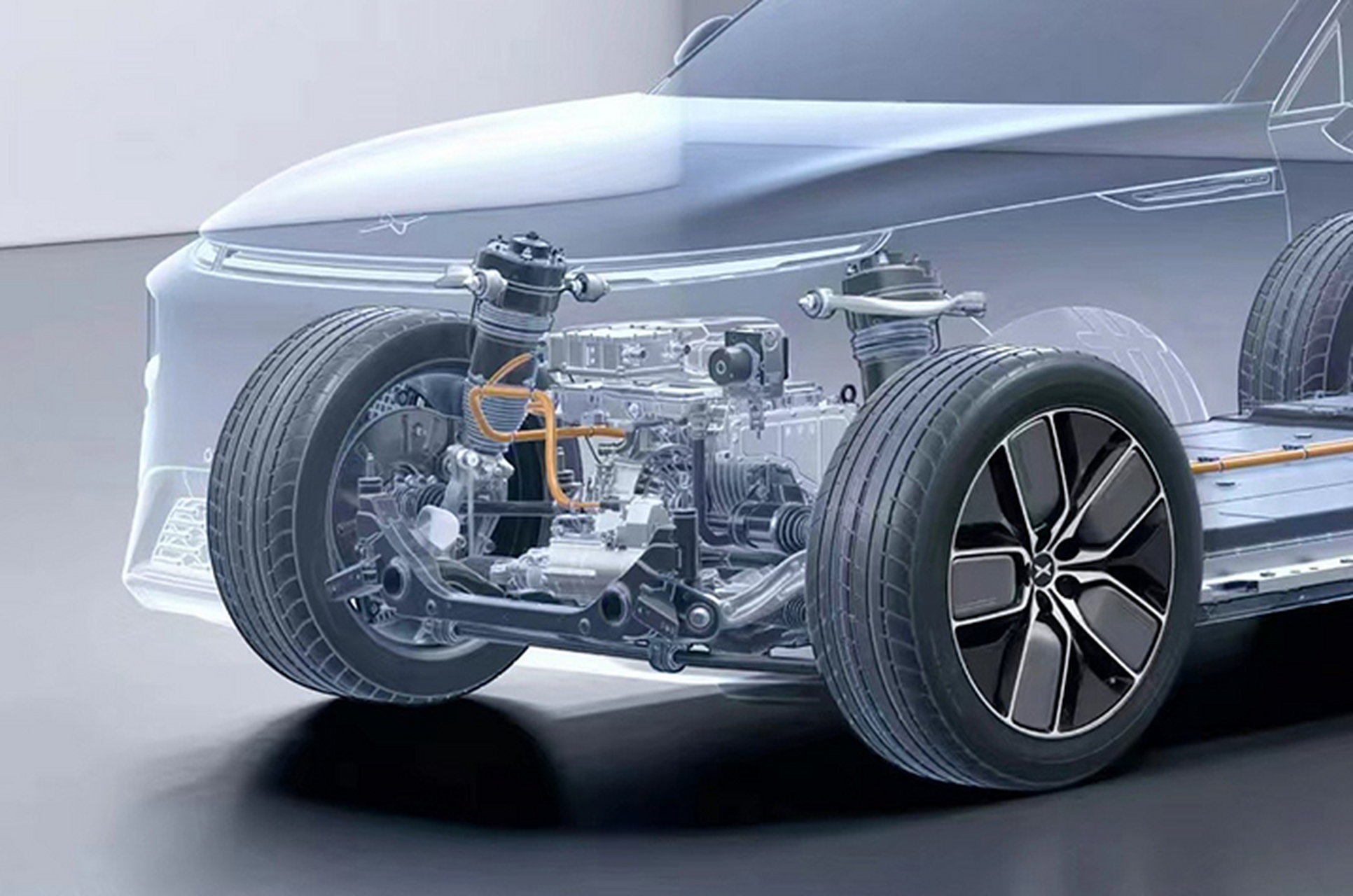
Suspension tuning is equally important. Performance-oriented EVs are equipped with sport-tuned suspension systems that enhance body rigidity, reduce roll, and improve handling. Together, these elements ensure that EVs remain stable, responsive, and safe during high-speed driving.
🚀 6. Future Technologies: Unlimited Possibilities for High-Speed EVs
With the emergence of new materials and technologies, the future of high-speed electric vehicles looks even more promising. Solid-state batteries, for example, are expected to dramatically improve energy density and safety, providing longer-lasting and more reliable power for high-speed driving.
Meanwhile, the development of superconducting motors could enable even higher rotational speeds and torque output, pushing EV performance to new extremes.
Advances in intelligent control systems will allow even more precise power management, delivering smoother and more efficient high-speed driving experiences. Combined with autonomous driving technologies, high-speed travel will become safer, smarter, and more comfortable.
In the future, electric vehicles may no longer be just a means of transportation—but a true fusion of technology and art, unlocking the limitless possibilities of electric “technological magic.” ⚡
Please explore our blog for the latest news and offers from the EV market.