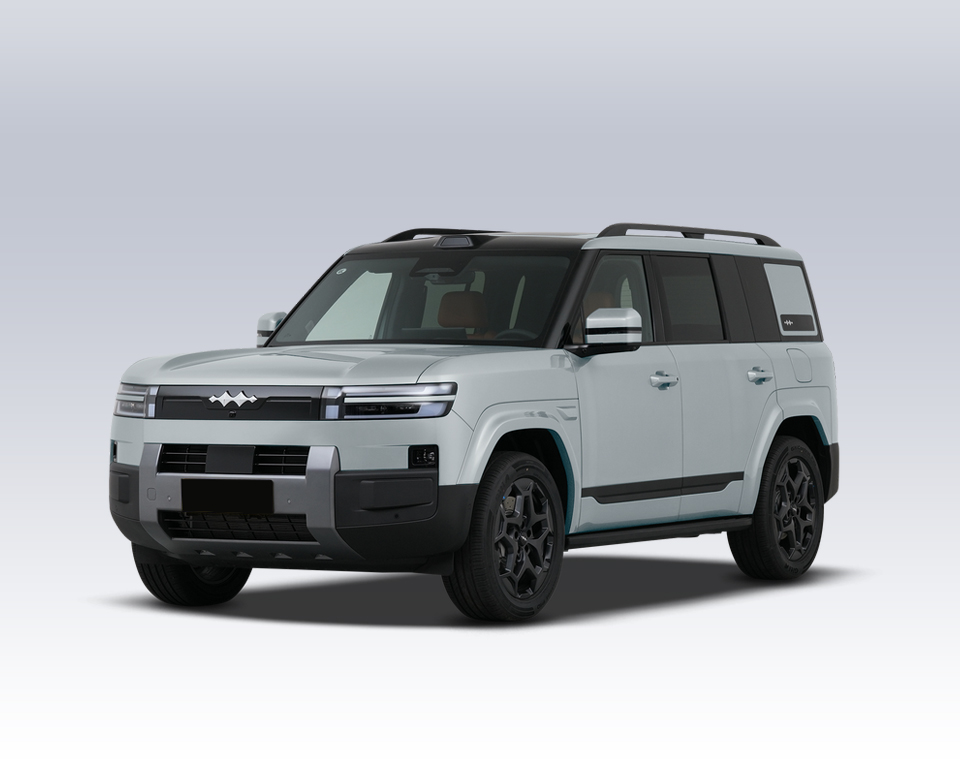
Understanding the Definition and Classification of New Energy Vehicles in One Article
🔹As Chinese new energy vehicles (NEVs) gain widespread recognition worldwide, global interest in NEVs has never been higher. However, people often overlook the formal definition and strict classifications of NEVs. Misunderstandings and misuse of NEV-related terms are common in daily discussions.
This article provides a clear and detailed explanation of what NEVs truly are and how they are categorized.

What Exactly Is a New Energy Vehicle?
As early as 2007, China’s National Development and Reform Commission (NDRC) officially defined New Energy Vehicles (NEVs) as:
Vehicles that use non-conventional fuels as their primary power source (or conventional fuels but equipped with new on-board power systems), combined with advanced technologies in vehicle power control and drive systems, forming cars with new technical principles and new structures.
Based on this definition and current mainstream technologies, NEVs today primarily include:
Hybrid Electric Vehicles (HEV)
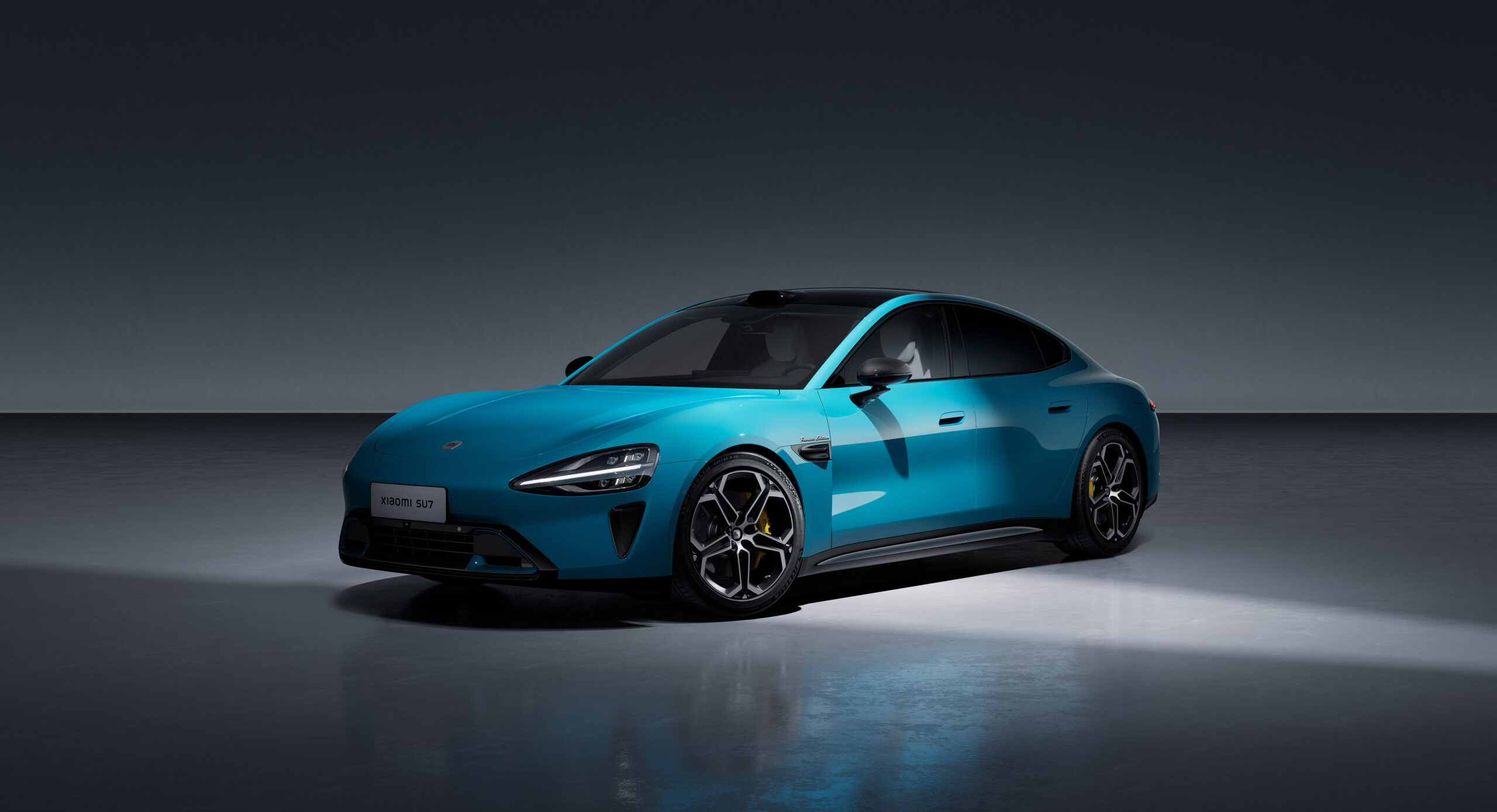
Battery Electric Vehicles (BEV / EV)
Fuel Cell Electric Vehicles (FCEV)
Below is a detailed breakdown of each category.

Battery Electric Vehicles (BEV)
Battery Electric Vehicles (BEV or EV) are powered entirely by on-board rechargeable batteries, with motors driving the wheels.
Simply put:
A BEV runs only on electricity stored in its battery, and all electricity comes from external charging.
Because BEVs produce far fewer environmental emissions, their long-term market prospects are widely supported.
Representative models: Tesla series, among others.
BEVs can be further subdivided by motor type:
Permanent Magnet Motor BEVs
Induction Motor BEVs
Centralized traction-motor BEVs
Wheel-hub motor BEVs, etc.
Hybrid Electric Vehicles (HEV)
Hybrid Electric Vehicles (HEV) use two or more power sources that can work independently or simultaneously. The system automatically determines whether the engine, motor, or both should provide power based on driving conditions.
Hybrid systems come in many forms. They can be categorized by hybrid depth:
Mild Hybrid (MHEV)
Medium Hybrid
Full Hybrid (HEV)
Plug-in Hybrid (PHEV)
And further divided by structural layout:
Parallel hybrid
Series hybrid
Series-parallel hybrid
Below are three major subtypes widely used in modern markets:

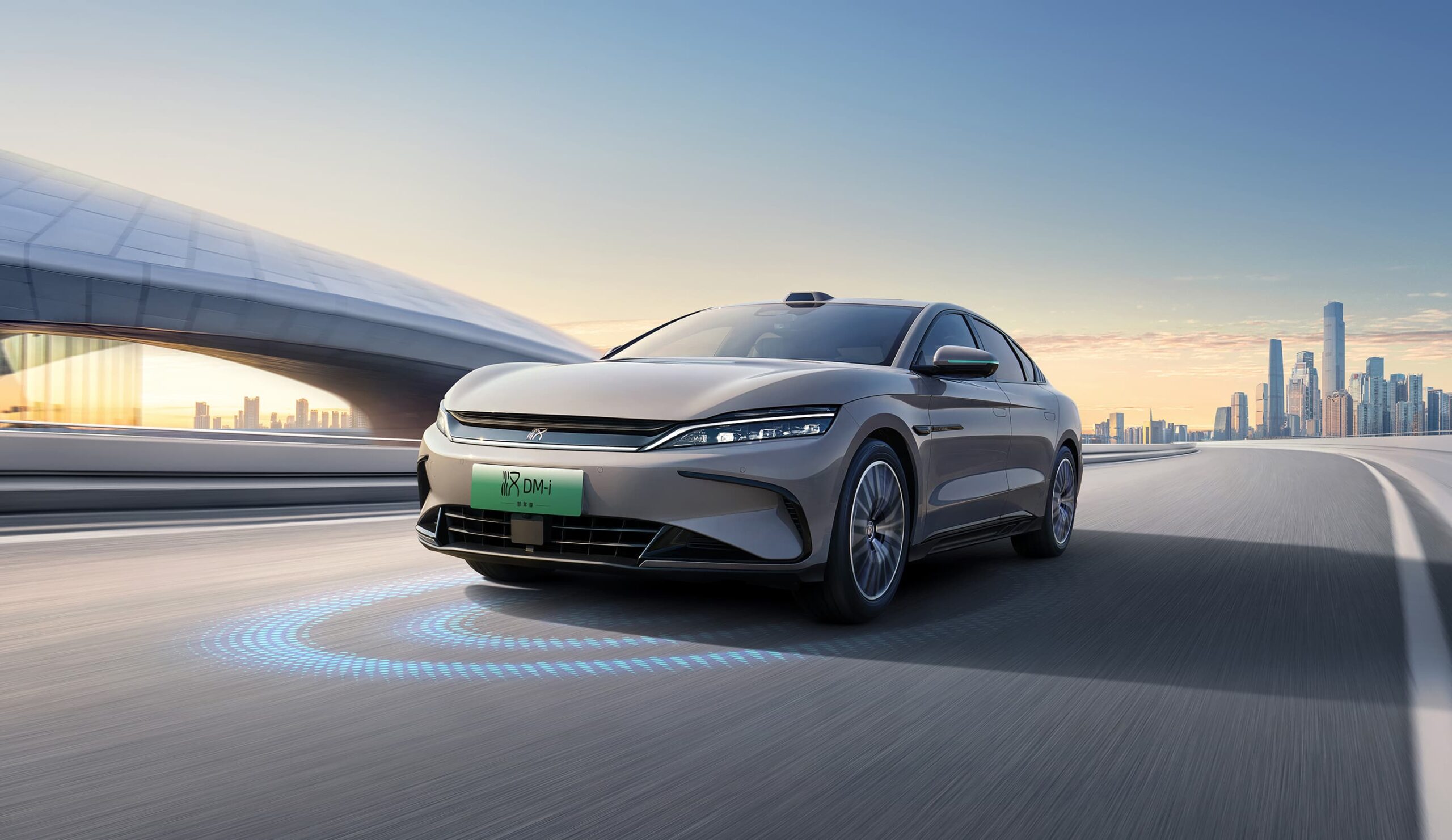
Plug-in Hybrid Electric Vehicles (PHEV)
Core components:
10–30 kWh battery, gasoline/diesel engine, single or dual motors, hybrid transmission.
Representative models:
BYD Song PLUS DM-i, early Li Auto L series (PHEV), VW Tiguan L PHEV, BMW X5 PHEV.
Advantages:
Electric-only driving covers daily commuting (50–200 km)
Zero range anxiety (refuel anytime)
Eligible for green license plates in some cities
Very low fuel consumption (4–6 L/100 km when battery is low)
Limitations:
More complex structure than BEVs, higher maintenance cost
Heavier under pure-electric mode, affecting handling
Best for:
Users who drive long distances frequently, have limited charging access, but still want low fuel consumption.
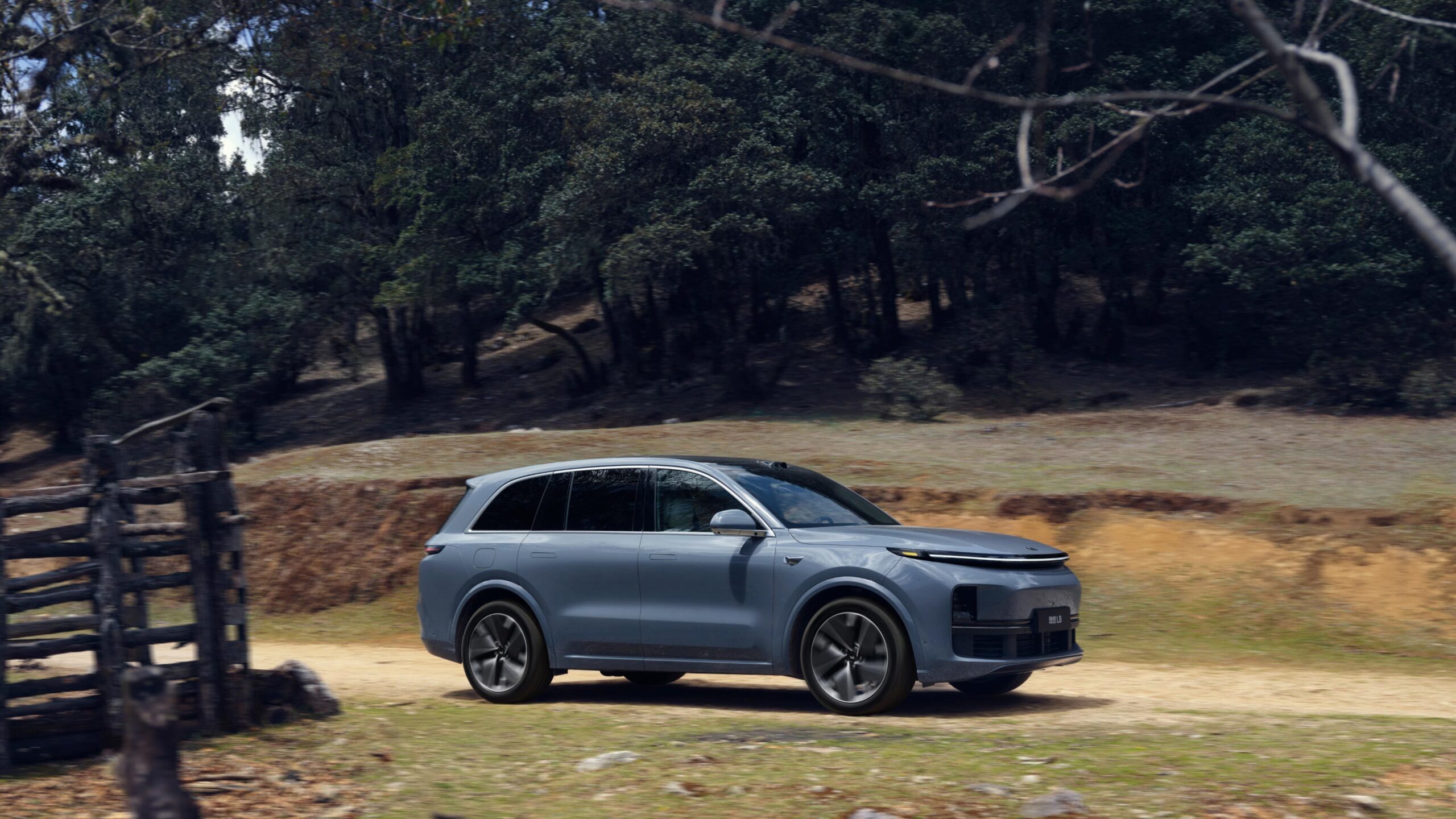
Extended-Range Electric Vehicles (EREV)
Core components:
Small gasoline “range extender,” 20–40 kWh battery, electric drive motor.
Representative models:
Li Auto L series (current EREV), AITO M5 Extended-Range, Leapmotor C11 EREV.
How it works:
The engine never directly drives the wheels—its sole role is to generate electricity when battery levels drop.
Advantages:
No transmission shift shock
Long pure-electric range (100–200 km)
Long trips rely on fast refueling
Driving experience is very similar to BEVs
Limitations:
At high speeds (≥120 km/h), the range extender is less efficient, increasing fuel consumption (7–9 L/100 km)
Best for:
Families who need both city commuting and long-distance travel, and prefer smooth BEV-like driving.
Non-Plug-in Hybrid Vehicles (HEV)
Core components:
1–2 kWh battery, internal combustion engine (ICE), motor for assistance and energy recovery, hybrid control unit.
Representative models:
Toyota Corolla Hybrid, Honda Accord Hybrid, Lexus ES 300h.
Features:
No external charging
System automatically selects the optimal mix of motor/engine output
Advantages:
Very low fuel consumption (4–6 L/100 km)
High reliability (mature technology)
No range anxiety
Maintenance cost similar to gasoline cars
Limitations:
Not eligible for green license plates
Lower fuel savings compared to PHEV/EREV
Minimal pure-electric driving capability (1–2 km)
Best for:
Users who want low fuel consumption but don’t want to rely on charging infrastructure.

Fuel Cell Electric Vehicles (FCEV)
Fuel Cell Electric Vehicles (FCEV) generate electricity through a chemical reaction between hydrogen (or methanol/natural gas/gasoline) and oxygen without combustion.
In short:
Hydrogen reacts in the fuel cell stack → generates electricity → powers the motor.
Leading markets: Japan and South Korea.
Representative models:
Hyundai ix35 FCV, Toyota Mirai, Honda FCX Clarity.
NEV Classification Summary Table
| Category | Abbreviation | Core Definition | Powertrain Features |
|---|---|---|---|
| Battery Electric Vehicle | BEV | Powered solely by batteries; no engine | Zero emissions, relies entirely on charging infrastructure |
| Plug-in Hybrid Electric Vehicle | PHEV | Battery + engine; can be plugged in; pure-electric range ≥50 km | Multi-mode drive, flexible energy use, good balance of range and eco-friendliness |
| Extended-Range Electric Vehicle | EREV | Engine works only as generator; wheels driven only by motor | Eliminates range anxiety, BEV-like smoothness |
| Hybrid Electric Vehicle (Non-plug-in) | HEV | Small battery + engine; no external charging | Mature, reliable low-fuel-consumption solution |
| Fuel Cell Electric Vehicle | FCEV | Hydrogen fuel generates electricity through fuel cells | Zero emissions (only water), fast hydrogen refueling |
Conclusion
China classifies NEVs into three major categories, but in practice most automakers have scaled back fuel-cell development, focusing instead on EVs (BEVs) and hybrid technologies (HEV/PHEV/EREV).
Some experts view hybrid vehicles as a transitional technology bridging traditional ICE cars and full EVs—eventually to be phased out in a long-term, fully electric future.Globally, although hybrids are still treated as low-emission vehicles, many countries are gradually reducing incentive policies for them.
Nevertheless, China’s rapid advancement in pure electric vehicle technology has earned global respect and helped Chinese EVs win an important position on the international stage.
Please explore our blog for the latest news and offers from the EV market.