

Tech-Enabled Safety: Six Most Practical Features in New Energy Vehicles
As new energy vehicles (NEVs) rapidly enter the mainstream, their configurations have evolved far beyond basic “drive and go” functionality. Features once exclusive to mid-to-high-end vehicles—especially those enhancing safety, comfort, and intelligent driving—are now widely available even on NEVs priced around 100,000 RMB.
This article breaks down six of the most practical and representative smart features found in today’s NEVs, helping buyers understand which configurations truly deliver value.
Catalog
🔑 Keyless Entry: A Perfect Balance of Convenience and Ritual
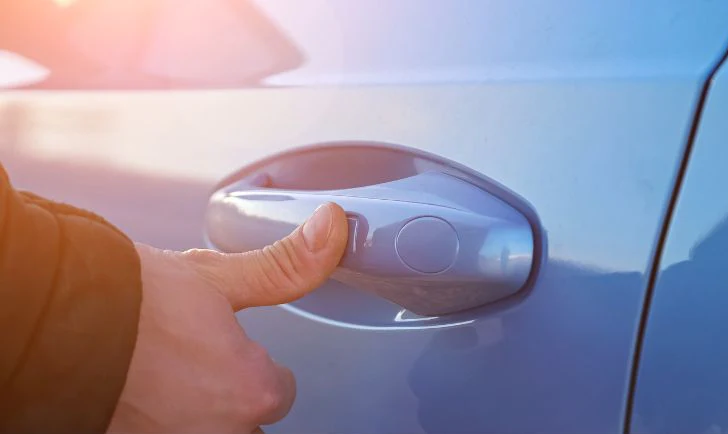
The evolution of modern NEV features has exceeded expectations, and keyless entry is one of the most widely adopted innovations. By integrating Bluetooth, NFC, and other wireless technologies, the vehicle connects seamlessly to your smart device—eliminating the need for traditional mechanical unlocking.
Originally reserved for premium vehicles, keyless entry is now standard even on many budget NEVs. Its real-world benefits include:
Effortlessly unlocking the car when your hands are full
Forming intuitive, smooth habits over time
Enhancing both convenience and the sense of ceremony during daily use
The rise of this feature reflects both technological progress and consumer demand becoming perfectly aligned.
🚗 Adaptive Cruise Control (ACC): Your Intelligent Highway Companion
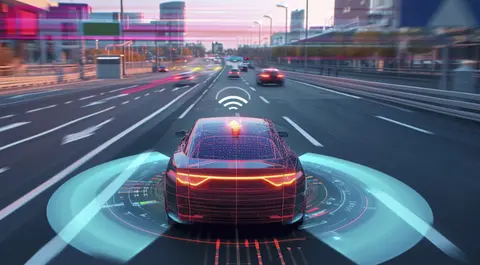
Traditional cruise control maintains speed but cannot respond to changing road conditions. ACC breaks this limitation by enabling real-time interaction with the vehicle ahead.
Key capabilities include:
Automatically slowing down when the leading car decelerates
Maintaining a preset safe following distance
Accelerating again when the road is clear
On congested highways, ACC reduces mental stress and elevates driving comfort. Unlike traditional cruise control’s passive approach, ACC represents an active, intelligent safety mechanism—significantly improving long-distance driving safety.

🛣️ Lane Keeping Assist (LKA): A Virtual Co-driver Ensuring Precision
Lane Keeping Assist uses a front-mounted camera to continuously detect lane markings and construct a detailed lane model. When the vehicle unintentionally deviates from the center line without signaling, the system warns the driver through:
Steering wheel vibration
Dashboard alerts
Seat vibration cues
Advanced systems can even apply gentle steering corrections to guide the car back to the lane center.
LKA is especially valuable during:
Fatigue driving
Night driving
Moments of distraction
Since its performance depends heavily on lane detection accuracy, the technology continues to evolve—moving from basic line recognition to dynamic lane modeling.
👁️ Blind Spot Monitoring (BSM): An Intelligent Solution to Hidden Hazards
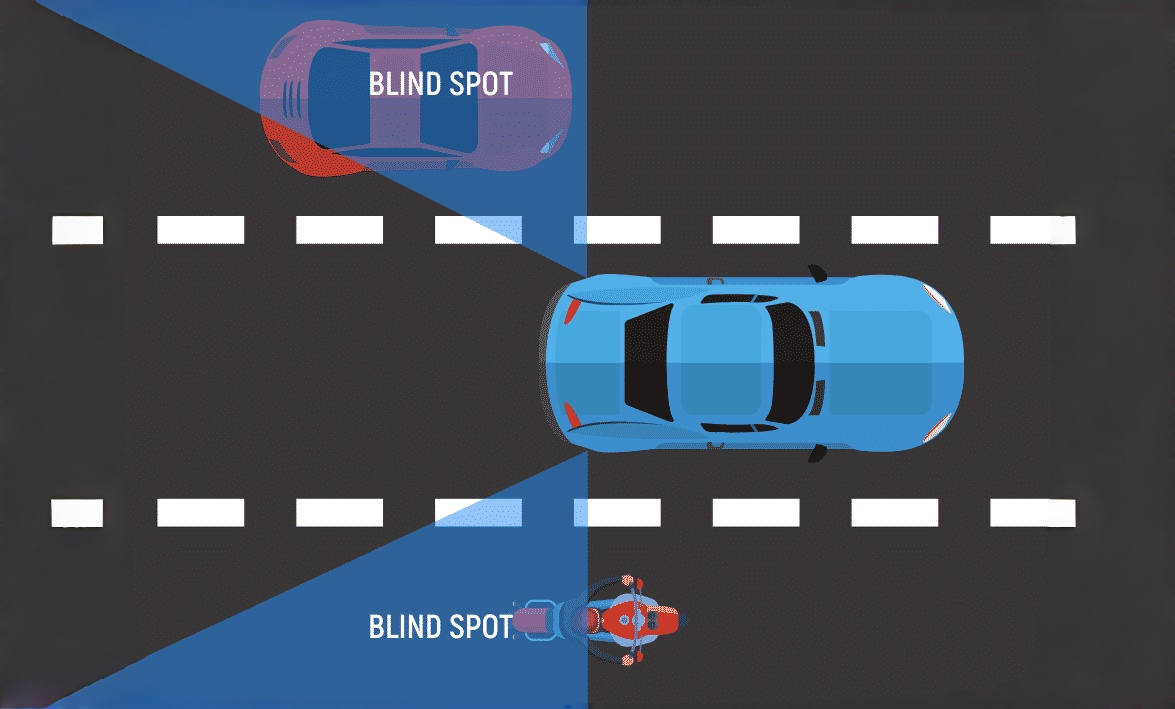
The structure of side mirrors inherently creates blind spots, particularly along the rear side of the vehicle. Blind Spot Monitoring solves this using radar sensors on both sides of the rear bumper to scan surrounding areas in real time.
When a vehicle enters the blind zone, the system activates a visual warning—typically a small light on the side mirror. More advanced versions also:
Adjust warning frequency based on approaching speed
Provide audible warnings or steering vibrations during risky lane changes
BSM greatly expands the driver’s awareness, making highway lane changes significantly safer and more confident.
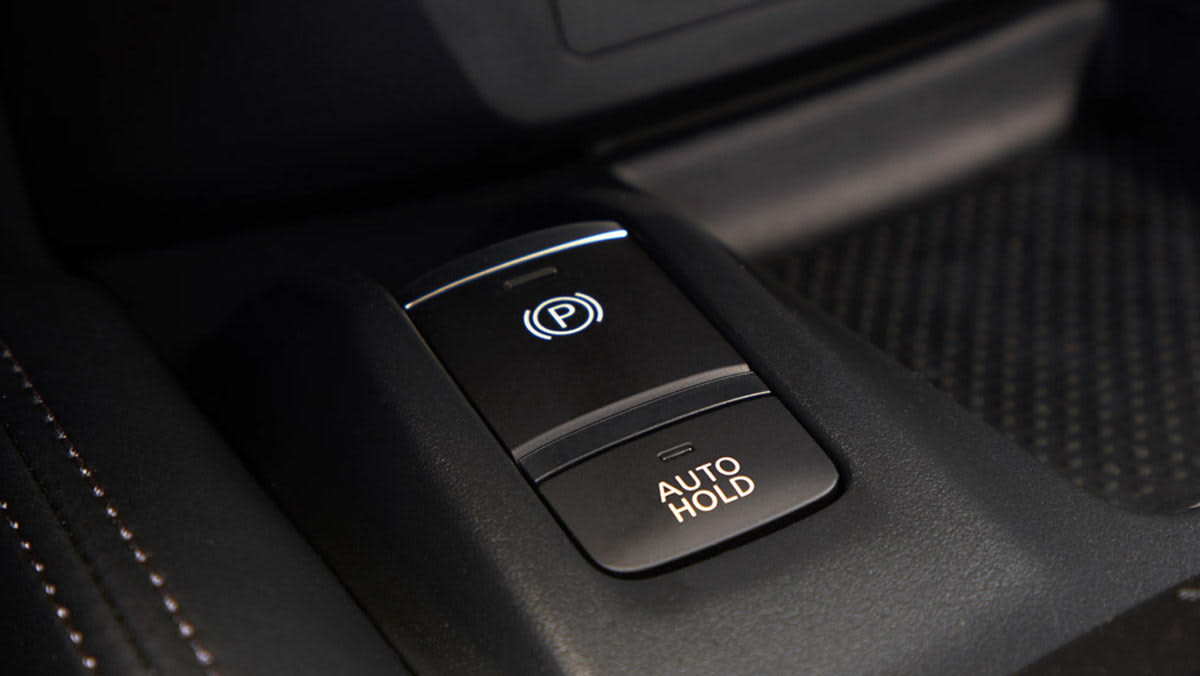
🅿️ Auto Hold: A Smart Application of Electronic Braking
AUTOHOLD delivers a smart and effortless braking experience. When stopping temporarily, the driver simply presses the brake pedal, and the system automatically engages the electronic brake.
It provides major advantages in city stop-and-go driving:
No need to manually engage the parking brake
No requirement to shift into neutral
Prevents rollback during hill starts
Smooth, seamless transition from braking to acceleration
With a light tap on the accelerator, the vehicle releases the electronic brake and starts smoothly—reducing driving fatigue and simplifying operation.
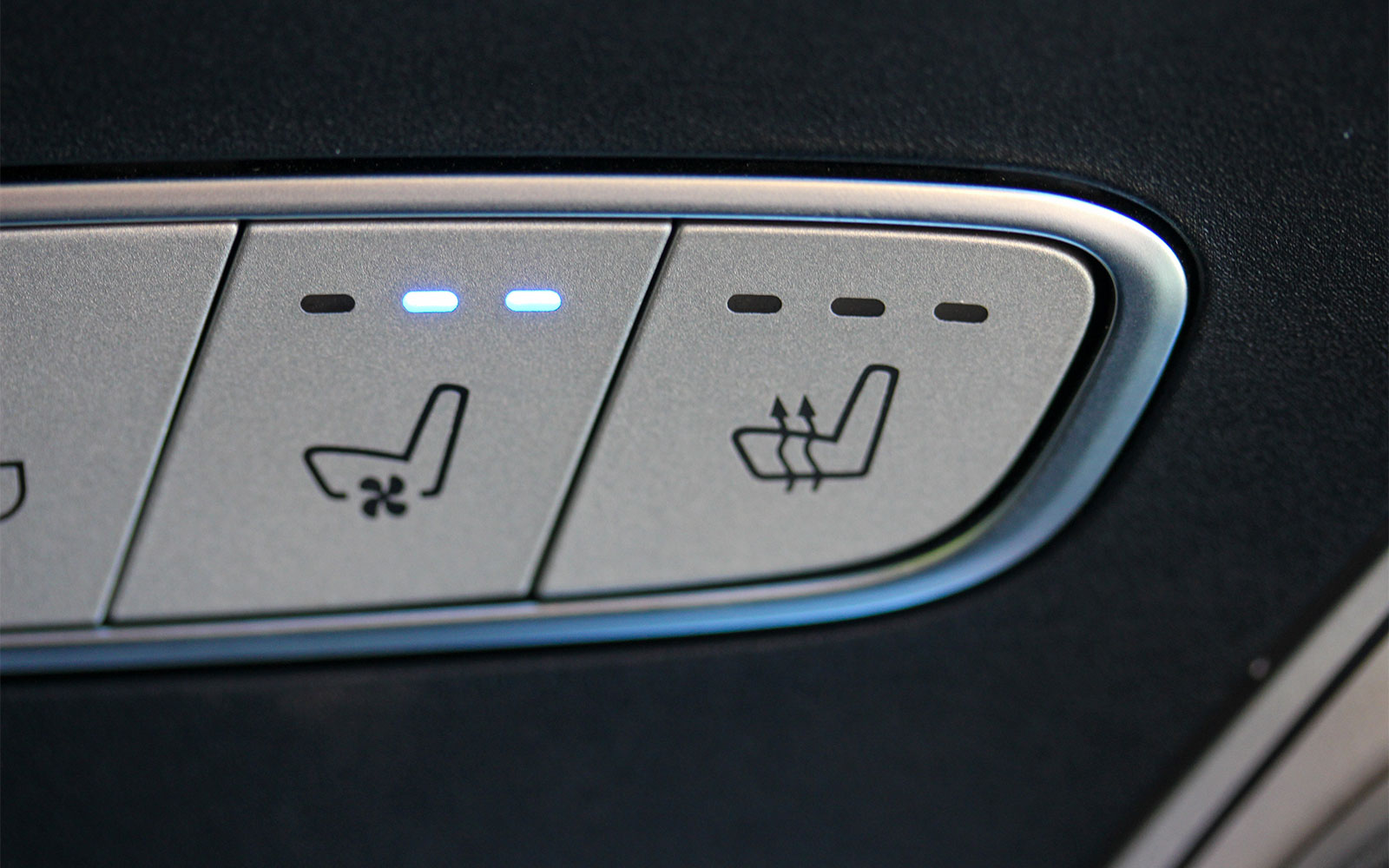
❄️ Seat Ventilation & Heating: Year-Round Comfort Through Smart Technology
Seat Heating
Built with an internal grid of heating wires, heated seats quickly warm up when powered—ideal for cold climates, especially for drivers wearing light clothing.
Seat Ventilation
Ventilated seats use small internal fans to create airflow, removing heat and moisture from the seat surface. Unlike air conditioning—which cools mainly the lower cabin—ventilation targets the exact contact areas.
Two types of designs exist:
Blowing type: Air is pushed outward toward the seat surface
Suction type: Warm air is pulled away using negative pressure
Each design has its advantages, and the choice often depends on personal comfort preference.
🏁 Conclusion
In recent years, NEV configurations have shifted from simple feature stacking to meaningful upgrades in intelligent user experience. The six features highlighted above not only improve driving comfort but also bring safety to a new level.
With continuous advancements in sensors, control algorithms, and AI, future in-car technologies will become smarter, more intuitive, and more personalized. For buyers, understanding your needs and choosing the right intelligent features is the key to maximizing the value of your vehicle.
Please explore our blog for the latest news and offers from the EV market.


