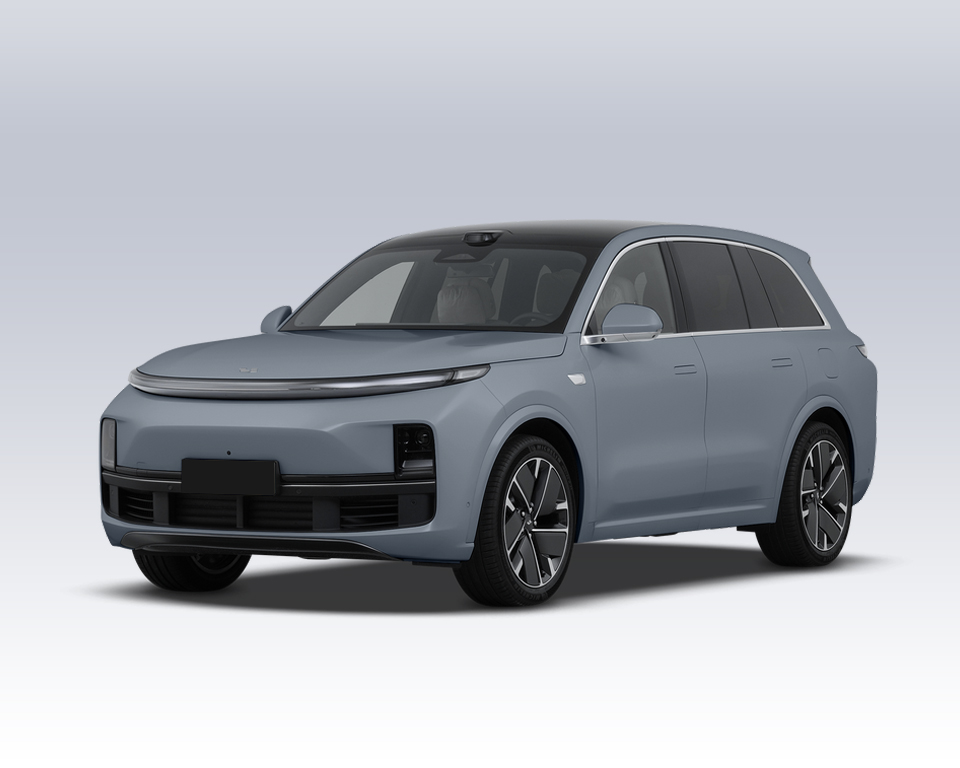
Complete Guide to All Hybrid Powertrain Types in New Energy Vehicles
In today’s rapidly evolving new energy vehicle landscape, hybrid vehicles have become an essential transitional technology. At their core, hybrid systems combine a traditional internal combustion engine (ICE) with one or more electric motors (plus a battery system).
This allows hybrids to retain the proven range and reliability of gasoline or diesel engines while benefiting from the high efficiency and low emissions of electric drive systems.
However, the label “hybrid” actually covers a wide variety of technical solutions. Understanding the differences between hybrid types helps consumers choose a model that best fits their needs.
Catalog

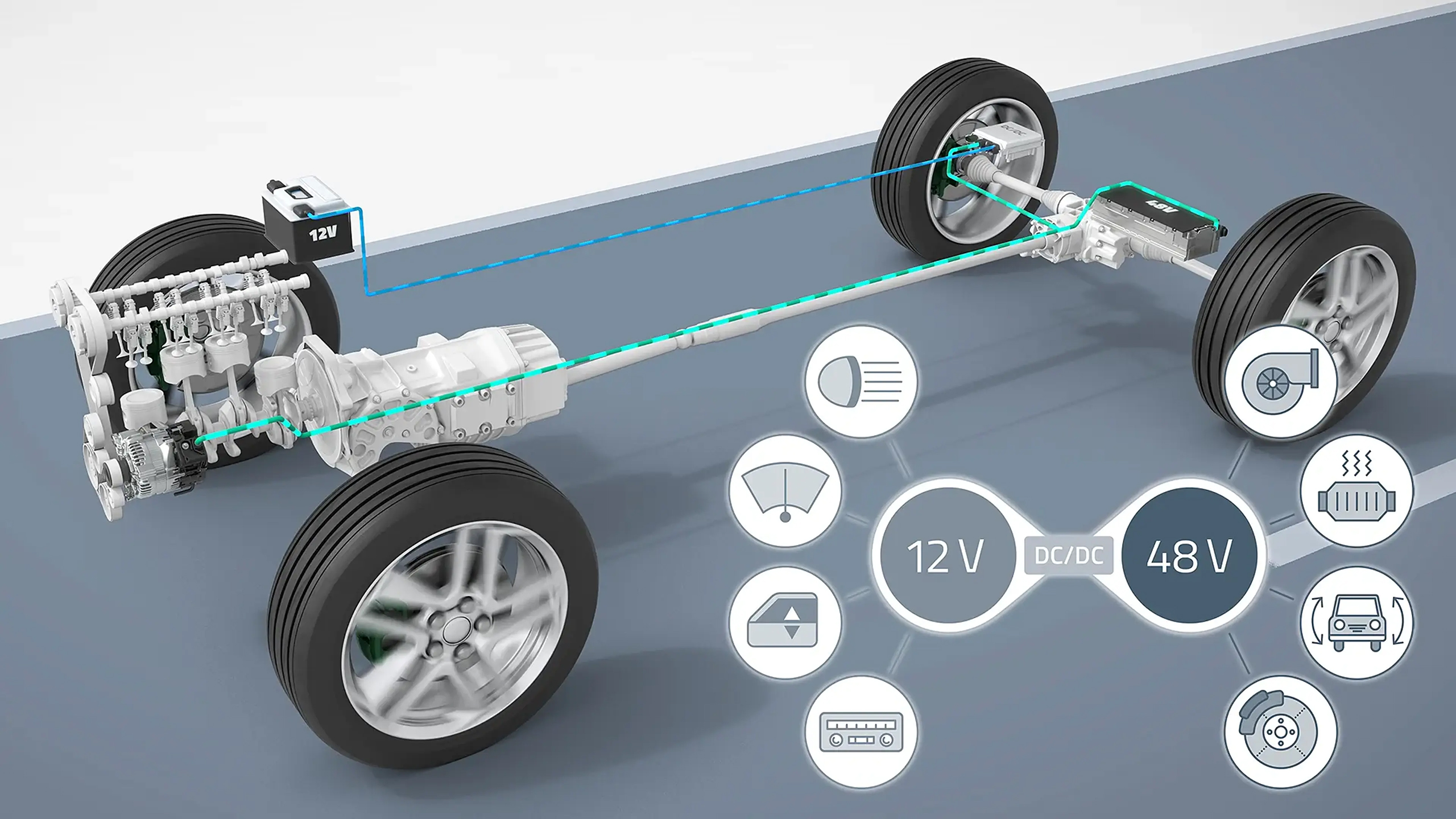
⚙️ 1. Mild Hybrid (MHEV)
Mild Hybrid Electric Vehicles represent the entry level of hybrid systems. They use a small electric motor and a compact battery. The electric motor cannot power the vehicle on its own; it only provides assistance—such as start-stop support, regenerative braking, or low-speed torque assist.
How It Works
When idling or at a stop, the motor enables the engine to shut off.
During startup or low-speed acceleration, the motor assists the engine, reducing its load.
While braking or coasting, energy is recovered into the battery.
Advantages
Lower cost and simpler structure than full hybrids.
No need to charge externally, usage is identical to traditional fuel cars.
Slightly better fuel economy, especially in stop-and-go city driving.
Drawbacks
Cannot drive on electric power alone.
Limited fuel savings (typically 2–10%).
Lower efficiency gains than full hybrids or plug-in hybrids.
Best For
Drivers transitioning from fuel cars with limited budget.
Daily city commuters with low-speed driving, without the need for pure EV operation.
⚡ 2. Full Hybrid (HEV – Hybrid Electric Vehicle)
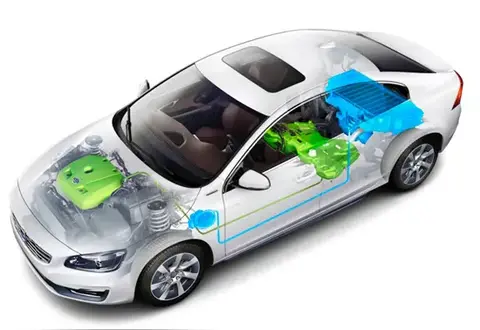
Full hybrids are more capable than mild hybrids, offering the ability to drive purely on electric power in certain conditions. Full hybrid systems can be categorized into:
Parallel Hybrid
Series Hybrid
Series-Parallel / Power-Split Hybrid
🔧 (1) Parallel Hybrid
Both the engine and electric motor can directly drive the wheels.
At low speeds → electric motor drives, engine may stay off.
At high speeds → engine dominates, motor assists.
🔌 (2) Series Hybrid
The electric motor drives the wheels exclusively.
The engine only generates electricity—it does not drive the wheels.
This is similar to EV driving, with the engine as a generator.
🔀 (3) Series-Parallel / Power-Split Hybrid
A highly flexible hybrid structure where the system can automatically switch between series, parallel, or combined modes depending on driving conditions.
Advantages
High fuel efficiency, especially in urban settings.
Smooth driving experience with electric-assisted acceleration.
No external charging required, convenient for all users.
Drawbacks
Higher cost and complexity than mild hybrids.
Limited electric-only range due to small battery.
More complex maintenance and control systems.
Best For
Users wanting better fuel efficiency without relying on charging.
Mixed driving patterns: city + suburban + some highway.
Drivers preferring minimal change from traditional fuel habits.
🔋 3. Plug-in Hybrid (PHEV – Plug-in Hybrid Electric Vehicle)
PHEVs add an external charging capability and a larger battery, allowing significantly longer pure electric range.
How It Operates
Battery has charge: vehicle functions like a pure EV for daily use.
Battery depleted: switches to hybrid mode with engine + motor.
System may be series, parallel, or power-split depending on manufacturer.
Advantages
Long EV range: dozens or even 100+ km daily without fuel.
Flexibility: engine is available for long trips, no range anxiety.
Excellent fuel savings if charged regularly.
Drawbacks
Higher vehicle cost due to a larger battery.
Requires stable charging access to realize full efficiency.
Heavier vehicle weight may increase fuel consumption if not charged.
Best For
Home or workplace charging available.
Daily fixed commutes largely within EV range.
Users aiming to minimize fuel consumption and drive mainly on electricity.
🚗 4. Range-Extended Hybrid (EREV / Series Hybrid)
A range extender hybrid is essentially an electric vehicle equipped with a small gasoline engine used only to generate electricity—not to drive the wheels.
How It Works
Electric motor drives the wheels 100% of the time.
Engine activates only to generate electricity when battery is low.
Driving feel is almost identical to a pure EV.
Advantages
Pure EV driving experience with smooth, silent power.
Solves range anxiety—engine keeps battery charged during long trips.
Simpler drivetrain than some plug-in hybrids because engine doesn’t power wheels.
Drawbacks
Less efficient on long, high-speed trips because engine cannot directly provide mechanical power.
Requires a sizable battery → higher cost.
Still less common in the market than PHEVs or HEVs.
Best For
Drivers wanting EV-like performance but needing long-trip capability.
Users with access to charging but wanting extra flexibility.
🧭 How to Choose the Right Hybrid System for Your Driving Needs
Choosing a hybrid depends on your commute, charging access, budget, and driving environment.
✔ Scenario 1: Mostly urban driving + easy access to charging
➡ Choose: PHEV or Range-Extended Hybrid
They allow pure-electric commuting with backup power for long trips.
✔ Scenario 2: Mixed city + highway driving + limited charging
➡ Choose: Full Hybrid (HEV)
No reliance on charging and provides stable fuel savings.
✔ Scenario 3: Tight budget + want minimal change from fuel vehicles
➡ Choose: Mild Hybrid (MHEV)
Low-cost, simple, minor fuel savings.
✔ Scenario 4: Want EV-like performance but fear range anxiety
➡ Choose: Range-Extended Hybrid or certain Series Hybrid designs
But note: high-speed fuel economy may not match a pure ICE vehicle.
🚀 Future Trends in Hybrid Technology
Hybrid systems continue evolving rapidly. Key trends include:
🔋 Larger batteries & higher energy density
PHEVs and EREVs will achieve longer EV range with lighter packs.
🤖 Smarter control systems
Intelligent drive management will optimize engine/motor usage for higher efficiency.
🔧 48V light hybrid expansion
Lower-cost mild hybrid systems will become more common.
🔄 Hybrid + EV ecosystem synergy
Hybrids remain vital where charging infrastructure is still developing.
⚙️ More range-extended and series hybrid models
Especially for long-range or heavy-duty scenarios.
🏁 Conclusion
Although all these vehicles fall under the umbrella of “hybrids,” their technical principles differ significantly. Choosing the right hybrid means understanding:
Your driving habits
Charging conditions
Budget
Long-term vehicle plans
Selecting a hybrid that truly fits your needs will maximize efficiency, reduce costs, and provide the best driving experience.
Please explore our blog for the latest news and offers from the EV market.