What Do 4C , 5C , and 10C Charging Mean for New Energy Vehicles?
As Chinese new energy vehicles (NEVs) dominate global markets, the key question for consumers has shifted from “How far can it go?” to “How fast can it charge?” When automakers boast about 4C, 5C, or even 10C ultra-fast charging, what do these terms really mean? And which technology truly brings us closer to the dream of “5 minutes of charging for 400 km of range”? Let’s dive into the fundamentals, current status, and future of EV fast-charging technology.
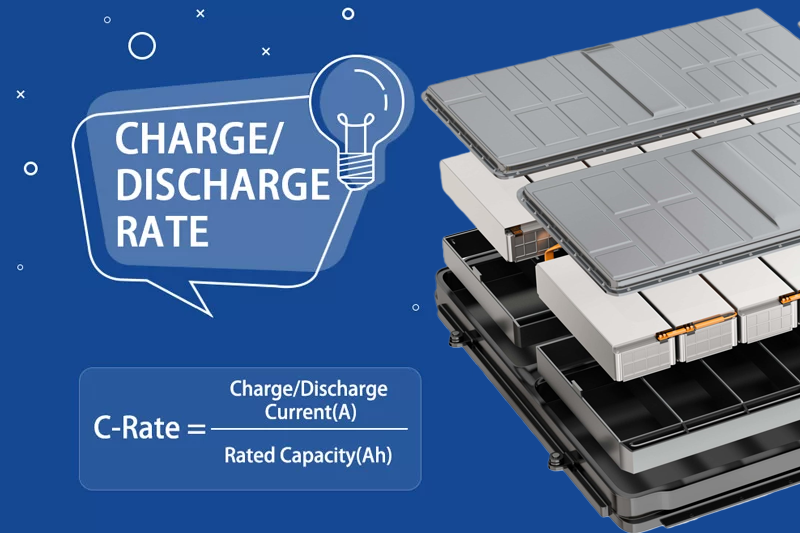
🔋 Understanding the Basics: What Is the C-Rate?
In simple terms, the C-rate measures the charging speed of a battery. A 1C rate means the battery can be fully charged in one hour. Based on that:
4C: Fully charged in 15 minutes (¼ hour)
5C: Fully charged in 12 minutes (⅕ hour)
10C: Fully charged in 6 minutes (¹⁄₁₀ hour)
Of course, these are theoretical values. In real-world conditions, charging time varies depending on the battery management system (BMS), temperature control, and other environmental factors.
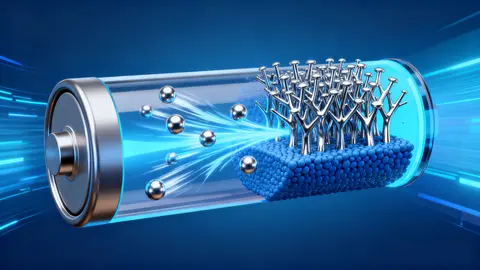
⚙️ Technology Overview: The Three Tiers of Fast Charging
The current market landscape for fast-charging technology can be divided into three tiers, each with distinct technical characteristics and representative manufacturers.
🚗 4C Technology – The Backbone of Widespread Fast Charging
4C charging is now widely supported across China’s ultra-fast charging networks, offering much faster efficiency than traditional DC fast charging.
Key Features:
Peak power output up to 360 kW
Enhanced safety with liquid cooling systems
Representative Models:
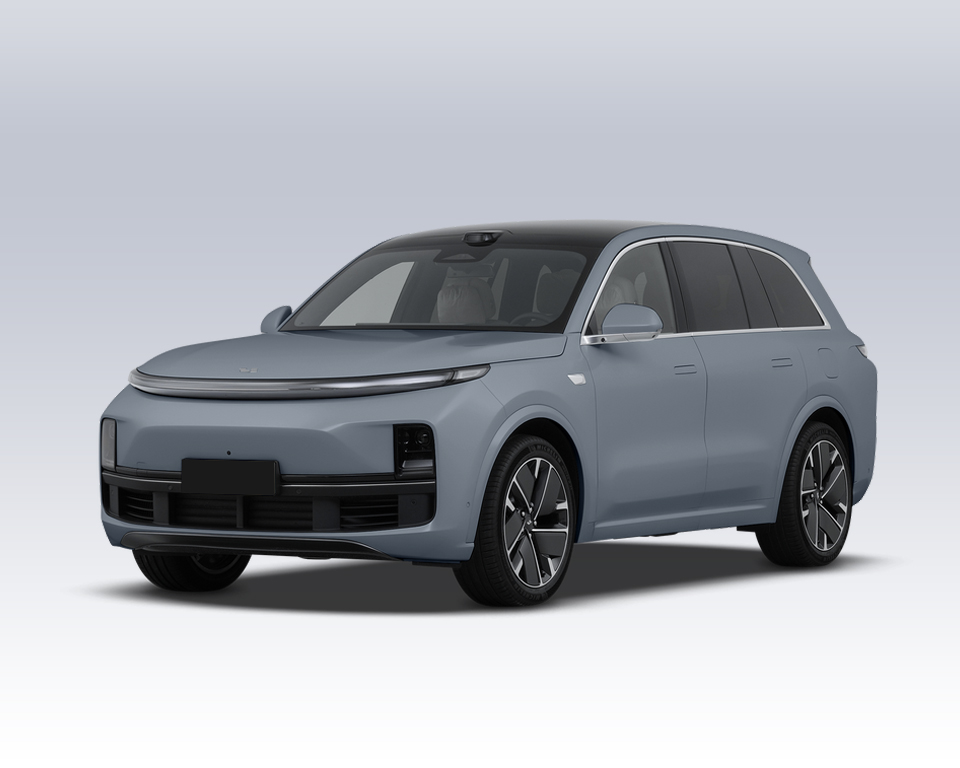
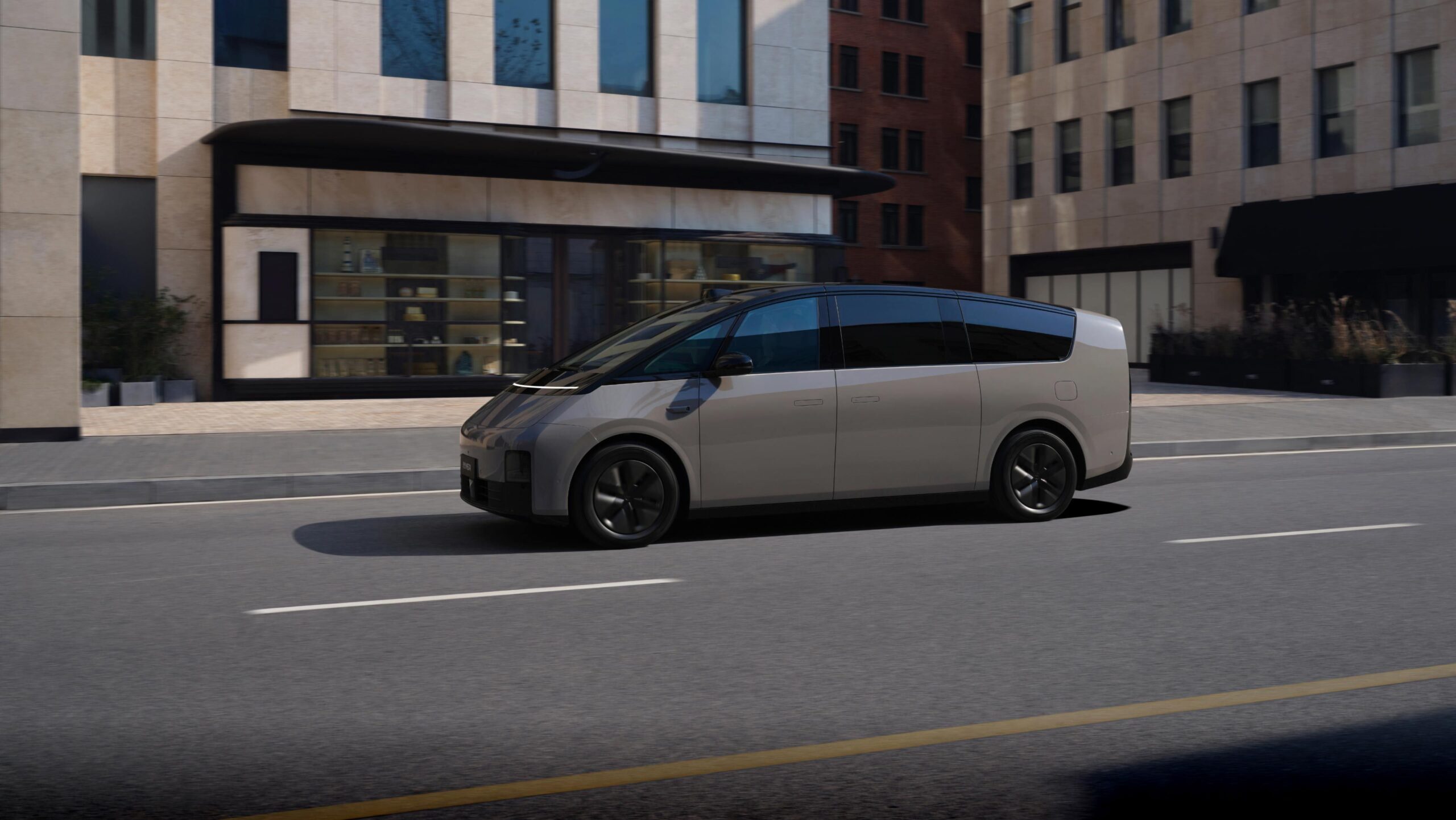
Li Auto MEGA: Charging time reduced from 24 to 15 minutes, adding up to 500 km of range.
⚡ 5C Technology – The Current Benchmark for Premium EVs
5C charging has become the mainstream choice among high-end electric vehicles, delivering a significant leap in charging efficiency.
Key Features:
Charging power exceeding 300 kW
Maintains peak performance throughout 0–80% battery capacity range
Representative Models:
Li Auto i8: 97.8 kWh battery, 720 km CLTC range, gains 500 km in 10 minutes.
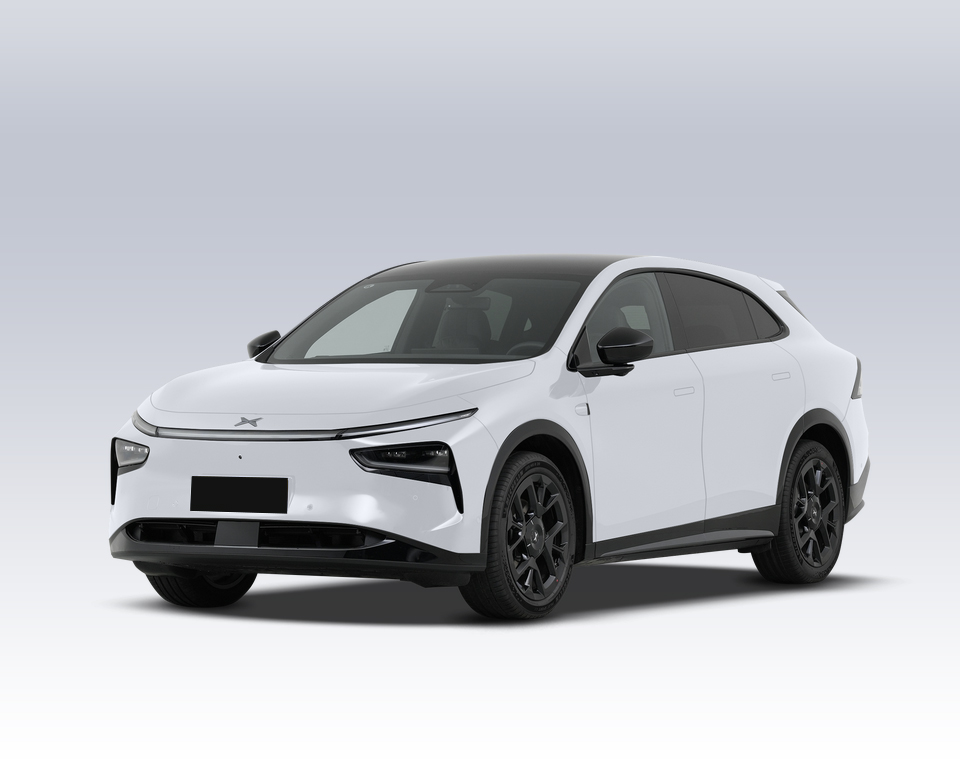
XPeng G6/G9: Equipped with 5C “AI supercharging” batteries, adds 450 km in 10 minutes.
NIO New ES8: 102 kWh 4C battery, 635 km CLTC range, with a 120 kWh 5C self-developed version on the way.

🚀 8C and Beyond – The Cutting Edge of Charging Technology
Only a few manufacturers have mastered charging above 8C, representing the future of ultra-fast EV charging.
Key Features:
Charging rate up to 10C
Maximum voltage: 1000V
Maximum current: 1000A
Peak power: 1 MW (1000 kW)
Representative Models:
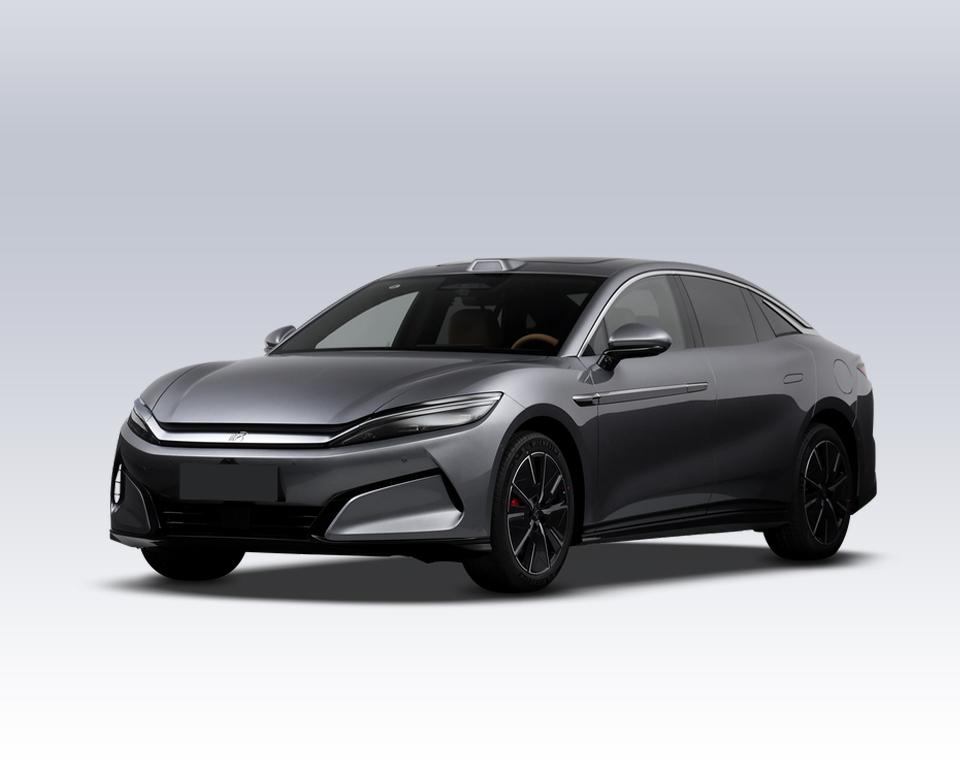
BYD’s Super e-Platform (Han L / Tang L): Equipped with a 100 kWh battery pack.
Theoretical speed: “1 second = 2 km of range” under NEDC conditions.
5-minute charge can replenish 400 km of range.
🧠 Behind the Speed: The Hidden Technological Battles
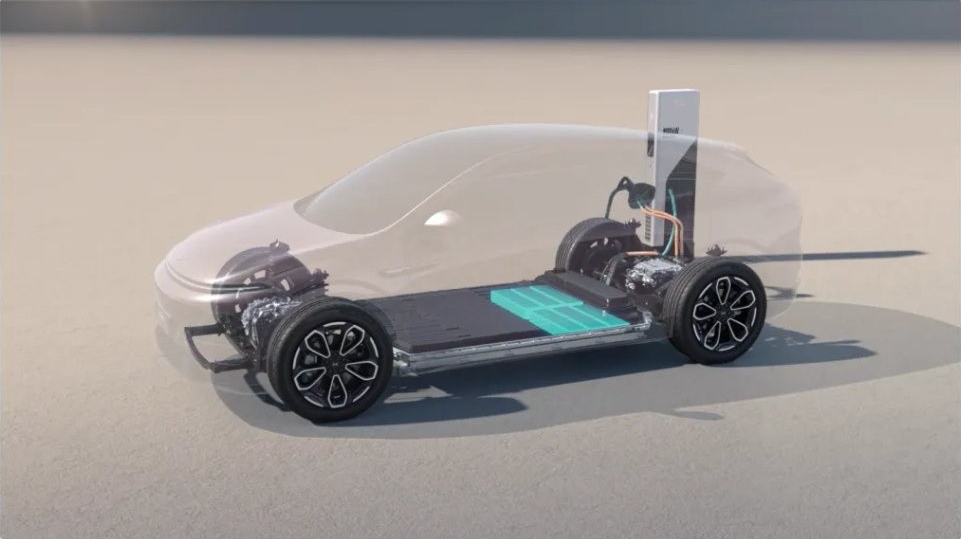
Achieving ultra-fast charging involves much more than simply increasing power. It’s a complex integration of multiple advanced technologies.
🔬 Battery Material Innovations
Ultra-fast ion channels: BYD’s 10C flash-charging battery reduces internal resistance and heat generation by 50%.
Self-healing SEI film: Automatically repairs electrode surfaces, improving high-temperature cycling life by 35%.
🌡️ Thermal Management Breakthroughs
5C batteries require superior cooling systems to maintain consistent high-power operation from 0–80% SOC without triggering thermal limits.
🔋 High-Voltage Platform Support
800V architecture: Foundation for today’s 5C charging.
1000V systems (BYD Super e-Platform): Reduces energy loss from voltage conversion modules.
⚗️ Advanced Cell Materials
CATL’s 5C Kirin battery: Innovates across cathode, anode, and separator design to achieve extreme fast charging.
🔭 The Future of Fast Charging: Where Is the Industry Heading?
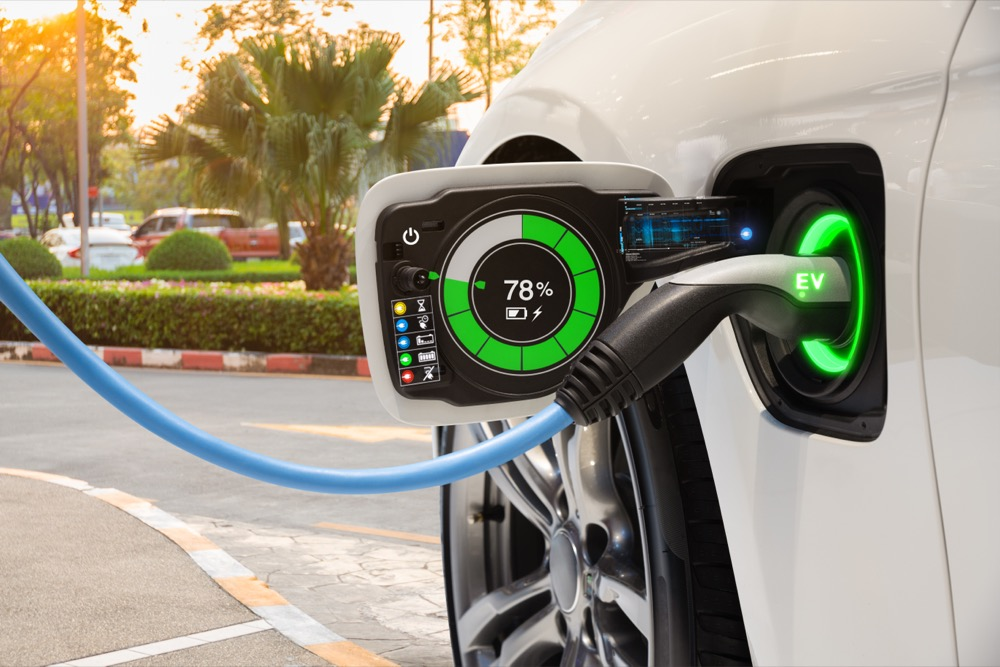
From current trends, EV fast-charging technology is evolving in three major directions:
Power Competition Continues
Following 10C breakthroughs, BYD’s megawatt-level “flash charging” is paving the way for next-gen solutions.
Accelerated Cost Reduction
As brands like ARCFOX bring 5C charging to the ¥140,000 price range, ultra-fast charging is moving from luxury to mainstream.
Unified Standards Ahead
Interconnectivity among major charging networks will gradually lead to unified standards, enhancing convenience for global EV users.
✨ Conclusion: Fast Charging Will Redefine the EV Experience
The evolution from 4C to 5C to 10C charging is more than just a speed race—it’s a transformation of how we use electric vehicles. As the promise of “5 minutes for 400 km” becomes reality, EVs are closing the gap with traditional cars in convenience and efficiency.
Less waiting. More living.
In the end, the real winners of this “second-charging” revolution will be the millions of EV owners benefiting from cutting-edge Chinese innovation.
Please explore our blog for the latest news and offers from the EV market.